2026 Top Wooden Toys Trends for Global Buyers to Explore?

Time:2026-06-22 Author:Sienna
0%

As we approach 2026, the trends surrounding wooden toys are evolving. Global buyers face a vibrant landscape rich with innovation and tradition. Wooden toys have long been valued for their durability and charm. They appeal to parents seeking educational and sustainable options for their children.

Craftsmanship in wooden toys is essential. Artisans are pushing the boundaries of design, creating unique pieces that blend aesthetics with functionality. In this era, sustainability is crucial. Consumers increasingly seek products that are eco-friendly and ethically made. It’s a challenge for manufacturers to balance creativity and these values.

Some experts warn that trends can shift rapidly. Staying ahead requires constant monitoring of consumer preferences. Buyers must also consider the cultural significance of wooden toys in various regions. As these trends unfold, wooden toys represent not just playthings, but a deeper connection to craftsmanship and values.
2026 Top Wooden Toys Trends for Global Buyers to Explore?

Emerging Design Aesthetics in Wooden Toys for 2026

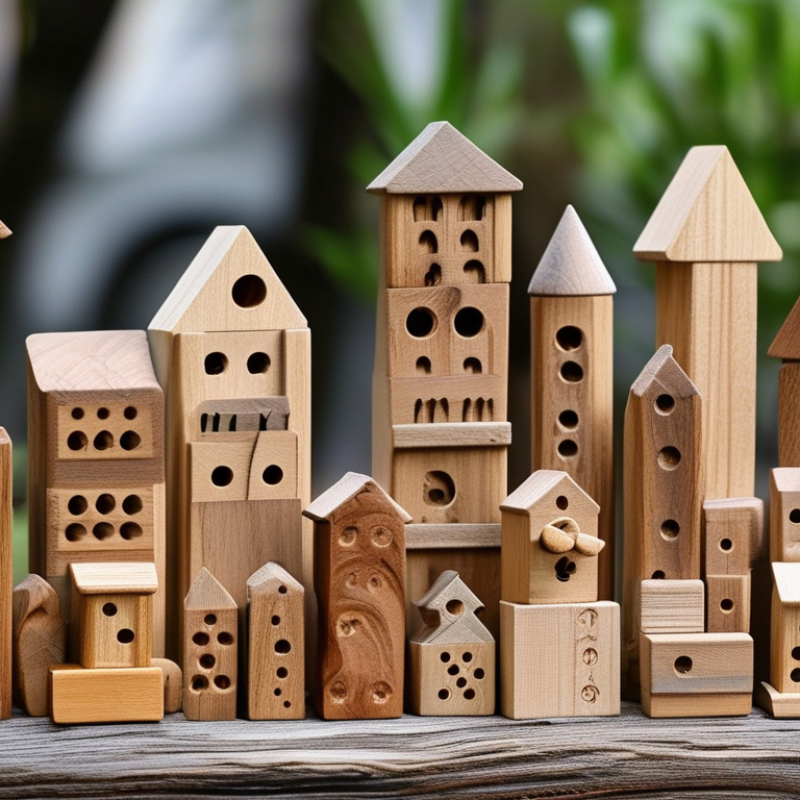
In 2026, wooden toys are set to embrace unique design aesthetics. Natural finishes with vibrant colors will dominate. Expect to see organic shapes that promote both play and decoration. Sustainability remains a guiding principle, influencing materials and production methods. Handcrafted textures will add a personal touch, making each toy unique.

Tips: Always check for non-toxic finishes. Ensure toys are safe for all ages. Parents should consider the toy's ability to stimulate creativity.

Expect playful elements that enhance learning. Interactive features will encourage engagement. Textured surfaces will cater to sensory experiences. Elegant designs will also appeal to parents looking for stylish home decor.

Tips: Look for toys that grow with your child. Choose items that can inspire storytelling. Consider the educational value of creative play.

Sustainability: Eco-Friendly Materials in 2026 Wooden Toy Trends

As we look ahead to 2026, the wooden toy industry is embracing eco-friendly materials more than ever. An estimated 70% of global toy buyers are now prioritizing sustainability in their purchasing decisions. This shift is driving manufacturers to source responsibly and focus on renewable resources. Research from the Toy Industry Association shows that the market for eco-friendly toys is projected to reach $9 billion by 2026.

Natural materials like bamboo, birch, and recycled plastics play a crucial role in these trends. They reduce environmental impact and appeal to conscious consumers. The durability of wood also ensures longer product lifespans, which aligns with sustainability principles. However, not all manufacturers follow eco-friendly practices. Some still resort to cheap, harmful materials that compromise safety and the environment. This discrepancy raises questions regarding certification and transparency within the industry.

In addition, the growing interest in educational toys made from sustainable materials highlights a changing mindset among parents. A recent survey revealed that 80% of parents are willing to pay a premium for eco-friendly toys. However, pricing remains a concern. Higher costs can deter some consumers, indicating a need for balance between affordability and sustainability. As the wooden toy market continues to evolve, ongoing discussions about ethical sourcing and production methods will shape the future.

Innovative Play Patterns: Engaging Experiences in Wooden Toys

In 2026, wooden toys are set to captivate young minds in innovative ways. Engaging experiences will play a crucial role in this trend. Imagine children building with blocks, where each piece tells a story. They can create their own worlds while developing fine motor skills. The tactile nature of wood provides sensory feedback, enhancing their playtime.

New play patterns emphasize interactive features. Toys that incorporate technology can offer a blend of traditional and modern play. For example, a wooden puzzle might light up or play sounds as pieces fit together. This mix captivates children, keeping them engaged longer. Parents will appreciate how these toys encourage imagination and critical thinking.

There’s a need to reflect on sustainability as well. While wood is a natural option, it must be sourced responsibly. Some manufacturers lag behind in eco-friendly practices. As a community, we should demand transparency. The future of wooden toys lies in finding balance. Engaging experiences can thrive with respect for our environment.

Global Market Insights: Demand for Wooden Toys Across Regions

As wooden toys regain popularity, understanding their demand across various regions is vital. The global market showcases unique preferences and trends. Children in Europe often favor eco-friendly toys, reflecting a strong environmental consciousness. Parents actively seek items that are not only safe but also sustainable. Meanwhile, in North America, there is a push for educational toys that promote cognitive development.

In Asia, the market presents a mix of traditional craftsmanship and modern design. Many parents appreciate the aesthetic value of wooden toys. However, challenges arise due to varying safety standards across countries. Some regions still struggle with implementing consistent regulations. This inconsistency can lead to confusion among buyers.

The growth of e-commerce has affected purchasing patterns significantly. Online platforms provide easy access to a range of wooden toys. Despite this convenience, some buyers express concerns over product authenticity. The importance of reliable sources cannot be overstated. Each region's market has its nuances, and potential buyers should remain aware of them. Understanding these trends could aid in making informed decisions.

Technology Integration: Smart Features in Modern Wooden Toys

The integration of technology into wooden toys is a growing trend. Enhanced smart features are becoming more common in the market. Reports indicate that 40% of parents prefer toys offering interactive elements. These features engage children in a unique way. They provide educational value while remaining classic and sustainable.

Incorporating sensors, lights, and sounds makes these toys more appealing. Children learn problem-solving and motor skills through interactive play. For instance, a wooden puzzle could offer audio feedback upon completion. This blend of tradition and modernity appeals to global buyers. However, there are challenges. Parents may worry about screen time and technology reliance.

Tips for choosing the right smart wooden toy include checking for safety certifications and durability. Look for toys made from sustainable wood sources. Consider the developmental stage of the child; not all smart features suit every age. Prioritize those that encourage imaginative play and creativity. As trends evolve, the landscape of wooden toys is set to transform further.

2026 Top Wooden Toys Trends for Global Buyers to Explore

Trend Description Smart Feature Target Age Group Market Demand
Eco-Friendly Materials Increased use of sustainable wood and non-toxic finishes. Biometric sensors for safety 2-5 years High demand for sustainable toys
Augmented Reality Integration Combining physical toys with AR for interactive play. AR-compatible apps 5-10 years Growing interest in tech-integrated toys
Educational Playsets Toys that promote STEM learning through play. Integrated learning apps 3-7 years High demand for educational resources
Customizable Toys Toys that can be personalized or modified by the child. App for customization options 6-12 years Increasing interest in personalized products
Interactive Storytelling Toys that tell stories with smart technology. Voice recognition technology 4-8 years High demand for engaging and educational toys

FAQS

: What will wooden toys look like in 2026?

: Expect vibrant colors and organic shapes that promote play and decoration.

What materials will be used in wooden toy production?

Natural materials like bamboo and birch will be popular. Recycled plastics may also be used.

How important is sustainability in toy choices?

Sustainability influences many buyers. About 70% prioritize eco-friendly options when purchasing toys.

Are all wooden toys safe for children?

Parents should check for non-toxic finishes. Safety remains a top concern for all ages.

Can wooden toys stimulate creativity?

Yes, many designs inspire storytelling and imaginative play, enhancing creativity in children.

What innovative features might wooden toys have?

Expect interactive elements that blend technology with traditional play, like light-up puzzles.

How can parents ensure they choose the right toys?

Look for toys that grow with your child and consider their educational value.

What challenges exist in the wooden toy market?

Not all manufacturers follow eco-friendly practices, raising concerns about safety and ethics.

Will eco-friendly toys be more expensive?

Yes, higher costs may deter some consumers, highlighting a need for balance in pricing.

Why is transparency important in the toy industry?

Transparency builds trust, ensuring that consumers know how toys are made and sourced.

Conclusion

The trends for wooden toys in 2026 reflect a blend of aesthetic innovation and sustainability, aimed at engaging the modern consumer. Emerging design aesthetics prioritize simplicity and natural beauty, allowing wooden toys to resonate with both children and parents. Eco-friendly materials take center stage, as buyers increasingly seek sustainable options that minimize environmental impact.

Moreover, innovative play patterns are being developed to create engaging experiences, incorporating imaginative play that fosters creativity. Global market insights indicate a growing demand for wooden toys across various regions, supported by the rise in eco-consciousness among consumers. Additionally, the integration of smart features represents a significant advancement, bringing technology into play while maintaining the charm of traditional wooden toys. Overall, these trends highlight a harmonious balance between education, play, and sustainability in the wooden toy market.

Sienna

Sienna

Sienna is a skilled marketing professional with a deep expertise in our company’s core products and services. With a passion for innovation and detail, she plays a pivotal role in crafting insightful blog posts that not only highlight the unique features of our offerings but also provide valuable......