Is Acrylic Paint Safe for Toys in 2026?

Time:2026-05-22 Author:Aria
0%

The question "Is acrylic paint good for toys?" is increasingly relevant in 2026. With the rise in DIY toy creation, more parents and artisans are seeking safety information. According to the U.S. Consumer Product Safety Commission, over 2 million toy-related injuries occur each year, highlighting the need for safe materials.

Acrylic paint, popular among crafters, is known for its vibrant colors and ease of use. However, not all acrylic paints are created equal. Many contain additives that may not be safe for children. A recent industry report by The Toy Association states that non-toxic certification is crucial for paints used on children's toys. This raises concerns about the quality of various brands available.

While some argue that acrylic paint poses minimal risk, potential exposure to harmful chemicals cannot be ignored. Parents must evaluate each product carefully. Despite growing awareness, more research on the long-term effects of these materials is needed. Ultimately, ensuring children's safety in playtime should remain a top priority.
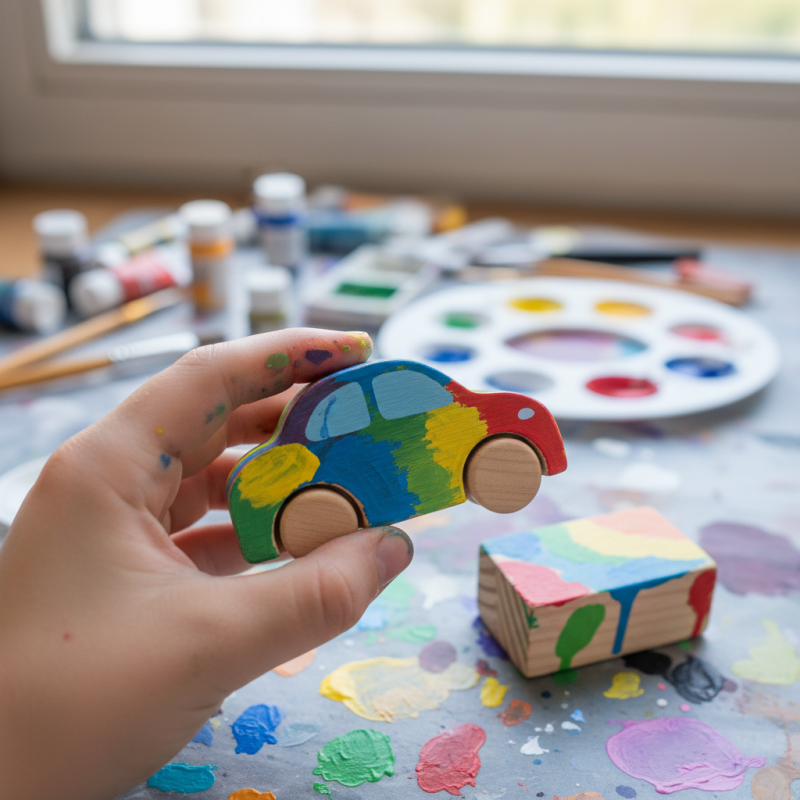
Is Acrylic Paint Safe for Toys in 2026?

Overview of Acrylic Paint Composition and Properties

Acrylic paint is widely known for its versatility and bright colors. However, its safety for use on toys is a growing concern as we approach 2026. Understanding the composition of acrylic paint is essential. Made from pigments suspended in an acrylic polymer emulsion, it can contain additives that influence its behavior and safety.

Reports from the American Society for Testing and Materials (ASTM) indicate that certain acrylic paints may contain harmful chemicals. These can include solvents or plasticizers, which may pose risks if toys are mouthed or handled by young children. The potential leaching of these substances into the surface of toys has sparked debates among parents and manufacturers alike.

Tips: Always check for labels indicating non-toxicity. Choose paints certified as safe for children’s items. Even products labeled as safe should be tested, as formulations can change over time. Regularly assess the condition of your painted toys. Cracks or peeling paint can expose underlying materials, increasing safety risks.

Furthermore, some acrylic paints may not be fully opaque, leading to varied color application. This inconsistency can affect toy aesthetics and safety. Being mindful of these details can help ensure the safety and durability of toys painted with acrylics.

Current Safety Standards for Toys Made from Acrylic Paint

When considering the safety of acrylic paint for toys in 2026, it’s essential to take into account the evolving safety standards. Acrylic paints are popular for toy decoration due to their vibrant colors and durability. However, safety regulations vary significantly by region. In many countries, testing for heavy metals and toxic substances is now mandatory. Assessing these standards can be confusing for manufacturers and consumers alike.

The exposure to harmful chemicals is a genuine concern. Not all acrylic paints are created equal. Some may contain additives not suited for children's toys. Ensuring that paints comply with strict safety standards is crucial. Parents should look for certifications that confirm the paints are non-toxic and safe for children’s use. However, even certified products can sometimes pose risks. Proper application techniques are just as important as the paint quality itself.

Understanding the full paint properties is essential. Some acrylic paints may fade, crack, or peel over time. This can lead to ingestion of tiny particles. The long-term implications of these issues are often overlooked. Toy manufacturers must prioritize high-quality, safe materials and clearly communicate this information to consumers. Encouraging ongoing research into safer alternatives should be part of the industry conversation.

Is Acrylic Paint Safe for Toys in 2026? - Current Safety Standards for Toys Made from Acrylic Paint

Safety Standard Description Compliance Status
EN71 European standard for toy safety, specifying requirements for physical and mechanical properties. Compliant
ASTM F963 Standards for toy safety in the United States, including chemical and physical safety requirements. Compliant
CPSC Regulations Consumer Product Safety Commission regulations ensuring toys are free from harmful chemicals. Compliant
REACH Regulation on Registration, Evaluation, Authorisation and Restriction of Chemicals in the EU. Compliant
EU Toy Directive Directive outlining the safety of toys sold in the EU, including health risks from substances. Compliant

Potential Health Risks Associated with Acrylic Paint on Toys

Acrylic paint has gained popularity in recent years due to its versatility. However, its use in toys raises health concerns. Many acrylic paints contain hazardous chemicals that can be harmful if ingested or inhaled. Children often put toys in their mouths, increasing exposure risks.

Some acrylic paints may emit volatile organic compounds (VOCs). These compounds can affect indoor air quality, posing risks to children. Additionally, certain pigments used in acrylic paints have potential toxic properties. Testing toys for these chemicals can be crucial for safety.

Here are a few tips to consider when using acrylic paint on toys:

- Always choose non-toxic, child-safe paint options. Read labels carefully.
- Allow painted toys to cure in well-ventilated areas. Proper drying reduces harmful emissions.
- Regularly inspect toys for wear and tear. Replace any that show signs of deterioration.

Awareness of these risks is essential. Educating yourself and others is key to ensuring safer playtime experiences. Staying informed about the latest findings can help prevent health issues associated with acrylic paint on toys.

Is Acrylic Paint Safe for Toys in 2026? - Potential Health Risks Associated with Acrylic Paint on Toys

This chart illustrates the potential health risks associated with the use of acrylic paint on toys. Data is based on reported cases of health issues linked to acrylic paint ingestion or contact.

Best Practices for Using Acrylic Paint on Children's Toys

When considering acrylic paint for children's toys, safety is crucial. Not all acrylic paints are non-toxic. Always check labels for safety certifications. Use paints labeled as safe for children. This ensures they meet safety standards.

Apply paint in a well-ventilated area. Good ventilation helps reduce fumes that could be harmful. Use small amounts of paint to avoid waste and control drying times. Opt for soft brushes or sponges for a smoother finish. These tools can help achieve even coverage on surfaces.

Let the paint dry completely before giving toys to children. Drying times can vary, so patience is key. After painting, ensure the surface is hard enough for play. Consider adding a clear, non-toxic sealer for extra protection. However, be aware that applying a sealer may alter the paint's finish. You may want to test it first.

Safety and creativity should go hand in hand, but careful practices ensure a safe playing environment for children.

Future Developments in Non-Toxic Paint Alternatives for Toys

As we look forward to 2026, the toy industry is striving to transition to safer paint alternatives. Recent studies show that children's exposure to toxic substances in toys remains a significant concern. The European Commission's 2023 report highlighted that 30% of toys failed safety tests related to paint materials. This calls for innovative solutions.


Non-toxic paint alternatives are gaining traction. Water-based paints dominate the market due to their reduced toxicity. Research indicates that over 70% of manufacturers are shifting towards these eco-friendly options. Biodegradable paints made from natural ingredients are also making waves. These paints provide a safer option for children and the environment.


Tips: Always look for certifications. Labels indicating non-toxic or low-VOC are essential. Test a small area first. Check for any skin reactions before full application.


The path to completely eliminating harmful materials is challenging. Yet, the industry is committed to embracing change. A significant percentage of manufacturers are adopting higher safety standards. Still, not all choices are clear-cut. Paint safety is an evolving field, and continuous research is necessary for the best outcomes.

FAQS

: What is acrylic paint made of?

: Acrylic paint consists of pigments suspended in an acrylic polymer emulsion. Additives may also be included.

Are all acrylic paints safe for toys?

Not all acrylic paints are non-toxic. Always check labels for safety certifications before use.

What health risks do acrylic paints pose?

Some acrylic paints contain harmful chemicals. Risks include ingestion and inhalation, especially for young children.

How can I check if painted toys are safe?

Regularly inspect toys for wear, cracks, or peeling. These issues can expose harmful materials beneath the paint.

Why is ventilation important when using acrylic paint?

Good ventilation helps reduce harmful fumes from the paint. It’s crucial during the painting process and drying.

How do I ensure a smooth finish when painting toys?

Use small amounts of paint and soft brushes or sponges. This technique helps achieve even coverage and minimizes waste.

How long should I wait before giving painted toys to children?

Allow the paint to dry completely. Drying times vary, so patience is essential for safety.

Can I use a sealer on painted toys?

Yes, a clear, non-toxic sealer can add protection. Test it first, as it may alter the paint's appearance.

What should I do if my child’s toys show signs of wear?

Replace any toys that show signs of deterioration. This is vital to ensure ongoing safety during playtime.

Conclusion

The article titled "Is Acrylic Paint Safe for Toys in 2026?" explores the safety and suitability of acrylic paint for children's toys in light of current standards and health concerns. It begins with an overview of acrylic paint's composition and properties, explaining how these factors contribute to its performance on various surfaces. Additionally, the piece examines current safety standards that govern the use of paints for toys, discussing potential health risks associated with acrylic paint, such as chemical exposure and toxicity in young children.

To ensure safety, the article provides best practices for using acrylic paint on children's toys, including the use of non-toxic options and proper sealing techniques. It also looks ahead to future developments in non-toxic paint alternatives, raising important questions surrounding the ongoing safety of acrylic paint for toys. Ultimately, while acrylic paint is a popular choice among crafters, the article prompts readers to consider: is acrylic paint good for toys, especially in regard to health and safety standards?

Aria

Aria

Aria is a dedicated marketing professional with a deep passion for innovative strategies and a keen understanding of our company's product offerings. With a wealth of experience in the industry, Aria excels at crafting engaging content that highlights the unique features and benefits of our......