Choosing the right musical instrument toys for children can be a delightful yet challenging task. Kids are naturally drawn to music, and the right toys can foster their creativity. Parents want toys that are engaging, educational, and safe. However, not all musical instrument toys are created equal.
Some options are loud and distracting, while others may not be designed for durability. Younger children benefit from simple instruments like xylophones or maracas. These toys encourage rhythm and coordination without overwhelming them. As children grow, they may enjoy more complex instruments, like keyboards or ukuleles.
It's essential to consider each child's interests. Instruments that foster self-expression build confidence. The joy of music has countless benefits, yet finding the perfect match requires care. Reflecting on children's reactions to different sounds can guide parents. Musical instrument toys should bring joy, learning, and a sense of accomplishment.
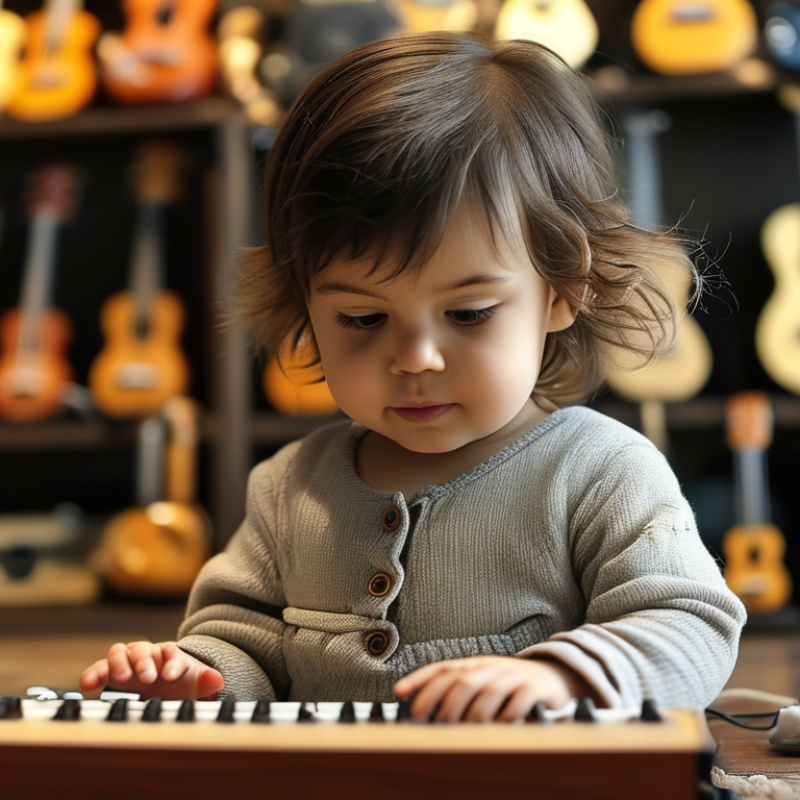
Musical instrument toys play a significant role in child development. These toys can stimulate creativity and imagination. They allow children to explore sounds and rhythms in a playful way. When kids bang on drums or pluck strings, they engage in self-expression. This exploration fosters a sense of confidence and achievement.
Playing with musical toys helps develop fine motor skills. Children practice hand-eye coordination as they grasp and manipulate instruments. These actions build strength and dexterity in young hands. In addition, musical play enhances listening skills. Kids learn to differentiate between sounds and tones, which is vital for language development. Children may struggle at first, hitting the wrong notes or missing a beat. However, these challenges encourage resilience and patience.
Moreover, music fosters social skills. When children play together, they learn to share and collaborate. Group music activities teach them to listen to one another. They begin to understand teamwork and communication. Despite the occasional dissonance in their music, these experiences create lasting bonds. Children reflect on their growth as they learn to create harmony.
Musical instrument toys for children come in various forms, each designed to nurture creativity and cognitive development. Percussion toys, such as tambourines and maracas, allow kids to explore rhythm. They engage children through movement and sound, making learning spontaneous and fun. Many kids love the excitement of beat-making, which can build a sense of coordination.
String instruments, like mini guitars and ukuleles, offer a different approach. These toys introduce young learners to melody. The process can be challenging, as mastering string instruments requires practice. But the joy of creating music makes the effort worthwhile. Children might struggle initially, leading to frustration, yet persistence often results in rewarding experiences.
Wind instruments, such as recorders or small horns, are also popular among children. They require breath control, which can be difficult for younger kids. This can lead to feelings of inadequacy. Yet, with patience and guidance, children can improve. Each instrument offers a unique opportunity for kids to express themselves creatively.
When choosing musical instrument toys for children, certain features significantly enhance their play and learning experience. Look for instruments that are made from safe, non-toxic materials. Ideally, these toys should be sturdy enough to withstand rough handling. It’s essential that they comply with safety standards so parents can feel secure when their kids play.
Variety is vital. Instruments should come in different styles, such as percussion, melodic, and electronic options. This diversity sparks creativity and encourages exploration. Instruments with bright colors and engaging designs often attract children’s attention. They should also be easy to handle for tiny hands.
Sound quality matters more than one might think. Instruments that produce clear, pleasant sounds can encourage musical interest. However, some toys may sound off-key or be overly loud, which can be frustrating. It’s essential to consider how this impacts a child's enjoyment. A balance between sound quality and fun can lead to a fulfilling musical experience.
| Instrument Type | Age Range | Material | Key Features | Benefits |
|---|---|---|---|---|
| Xylophone | 3+ | Wood | Colorful bars, mallet included | Enhances coordination and motor skills |
| Drum Set | 4+ | Plastic | Various drum sizes, sticks included | Promotes rhythm and beat recognition |
| Keyboard | 5+ | Plastic | Multiple sound settings, light-up keys | Encourages creativity and musical exploration |
| Ukulele | 5+ | Wood | Lightweight, comes with tuning guide | Develops finger strength and musical skills |
| Maracas | 2+ | Plastic/Wood | Easy grip, bright colors | Enhances sense of rhythm and coordination |
When choosing musical instrument toys for children, consider brands with proven track records. Industry reports suggest that quality toys can enhance cognitive and social skills. A study published by the American Journal of Play indicates that music exposure in early childhood boosts brain development significantly. Brands that prioritize safety and durability are often more reliable.
Parents should look for toys that offer diverse sounds and textures. Instruments that encourage interaction may increase a child's interest in music. For instance, toys that mimic real instruments tend to engage children better. Research shows that children with early exposure to music have improved language skills. However, not all toys meet safety standards. Always check for indications of quality and material safety before purchasing.
Tip: Encourage your child to explore different instruments. This exploration fosters creativity. Yet, be patient. Children may not show immediate interest. Sometimes, repetitive play is key to maintaining their engagement. Selecting versatile toys can stimulate sustained curiosity.
When selecting musical instrument toys for children, safety is paramount. Reports indicate that approximately 90% of parents prioritize safety features when purchasing toys. Toys should be non-toxic, avoiding harmful materials like BPA and phthalates. Instead, opt for instruments made from safe, durable materials. Look for labels or certifications that highlight adherence to safety regulations.
In addition to material safety, consider the instrument’s design. Sharp edges and small parts can pose choking hazards. Instruments should be age-appropriate, with larger components for younger children. Research by the Toy Industry Association reveals that 45% of injuries related to toy use involve children under three years old. Thus, choosing toys designed specifically for their developmental stage is vital.
Testing procedures are crucial in determining a toy's safety. Many manufacturers conduct rigorous safety assessments before their products reach the market. However, not every toy undergoes the same scrutiny. Parents should research and stay updated on recalls. An informed choice minimizes risks. Encourage children to play with their musical instruments under supervision, fostering a safe and enjoyable learning environment.
This chart illustrates the popularity of various musical instrument toys among children based on safety, educational value, and entertainment. The data reflects the preferences of parents when choosing toys for their kids.
: Look for safe, non-toxic materials. Sturdiness is important for durability against rough handling.
Variety, like percussion and melodic styles, sparks creativity and encourages exploration in children.
Clear, pleasant sounds encourage musical interest. Off-key sounds can frustrate children and impact enjoyment.
Quality instruments foster music exposure, boosting brain development and improving language skills in early childhood.
Not all toys meet safety regulations. Ensuring quality and safety gives parents peace of mind.
Encourage exploration of different instruments. Repetition might be necessary to keep their interest alive.
Bright colors and engaging designs attract attention. Instruments should be easy for small hands to handle.
Yes, be patient. Some children take time to develop an interest in musical exploration.
Brands with safe and durable toys are more reliable, but focus on features rather than brand alone.
Toys that encourage interaction can increase interest. Mimicking real instruments engages children better.
Musical instrument toys play a vital role in child development by enhancing cognitive skills, creativity, and motor abilities. These toys come in various types, including percussion, string, and wind instruments, each designed to engage children in different ways. When selecting musical instrument toys, it's essential to look for key features such as age appropriateness, durability, and sound quality to ensure a fulfilling musical experience.
Safety considerations are also paramount; parents should choose toys made from non-toxic materials, free from sharp edges or small parts that could pose choking hazards. With an array of options available, musical instrument toys not only provide entertainment but also foster a love for music and learning in young children.
