Drawing toys are essential tools for nurturing creativity in children. They provide endless opportunities for self-expression and imagination. Engaging with drawing toys helps kids explore their artistic skills while having fun. Parents play a crucial role in guiding their children's artistic journeys. Choosing the right drawing toys can significantly impact their creativity and enjoyment.
When selecting drawing toys, consider your child's interests and age. Some may prefer crayons or markers, while others might enjoy chalk or watercolors. Each medium offers a unique experience. It's important to remember that not all drawing toys inspire the same level of creativity. Some may frustrate rather than encourage, which can lead to disengagement.
Creating a positive environment is vital. Encourage experimentation and allow messiness. Imperfections in a child's work can lead to unexpected creativity. Reflecting on their drawings helps children understand their artistic expression better. Ultimately, drawing toys can bridge the gap between play and learning, fostering growth for both kids and parents alike.
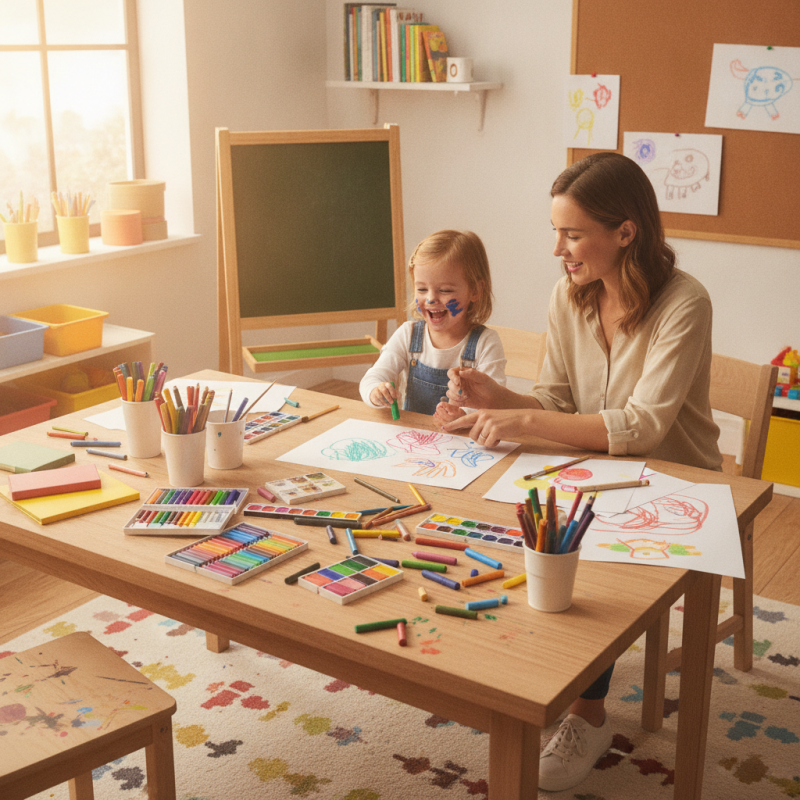
When selecting drawing toys for creative expression, consider your child’s age and interests. Younger kids may benefit from large, safe crayons or chunky markers. These tools are easier to grip and navigate. Older children often enjoy fine-tipped pens and sketch pads. Tailoring toys to their developmental stage fosters engagement and confidence.
Tips: Always choose non-toxic materials. Safety should be a top priority. Check the labels for age-appropriate recommendations. Encourage your child to explore different mediums. Watercolors, pastels, and charcoal can offer new experiences. Each medium challenges different skills and enhances creativity.
Don’t forget about portability. Drawing toys should be easy to take on trips. Compact kits can spark creativity in various settings. Sometimes, messy art experiences can also lead to real learning moments. Embrace the imperfections. They often lead to unexpected creativity. Allow your child to express themselves, even if it doesn't conform to traditional norms.
Creative drawing can be an enriching experience for kids. Encouraging children to draw not only enhances their artistic skills but also boosts their cognitive development. According to a report by the National Endowment for the Arts, engaging in visual arts can improve critical thinking and problem-solving abilities in children. Exploring various drawing techniques helps young creators express their emotions and thoughts.
Parents can introduce essential techniques to provide structure. Simple methods, like contour drawing or gesture sketches, can build confidence. Research shows that when kids practice these techniques, they often take risks in their expressions. This experimentation can sometimes lead to unexpected results. Mistakes are part of the learning process, and reflecting on these can help children grow.
Creating a dedicated space for drawing allows for focused exploration. Letting kids choose their own subjects can ignite their imagination. In a study published in Art Education, children who engage in self-directed projects show greater enthusiasm and retention of artistic concepts. However, not every artwork will resonate, and that's okay. Understanding discomfort with certain pieces can lead to valuable insights into their creative journey.
Incorporating drawing toys into everyday learning activities can enhance creativity and motor skills in children. According to a report by the American Academy of Pediatrics, engaging children in artistic activities fosters problem-solving abilities and encourages critical thinking. By using drawing toys, parents can create fun and interactive learning experiences at home.
Tip: Set up a dedicated drawing time each day. Use different materials like colored pencils, markers, and chalk. Encourage kids to express their thoughts through drawings. This not only boosts their creativity but also improves hand-eye coordination.
Additionally, drawing can be easily integrated into subjects like math and science. Have children sketch out geometric shapes while learning about them. This hands-on approach reinforces their understanding and makes learning tangible.
Tip: Create themed drawing sessions. Choose a topic of interest and let kids illustrate it. Discuss their drawings and connect them to real-world concepts, enhancing their comprehension in a playful manner. Mistakes in their drawings can lead to interesting conversations and reflections on their artistic journey.
| Tip | Drawing Toy | Learning Activity | Benefits |
|---|---|---|---|
| Encourage free drawing | Washable markers | Create a family art gallery | Boosts creativity and confidence |
| Use drawing prompts | Sketch pads | Prompt-based drawing sessions | Enhances critical thinking and idea generation |
| Integrate storytelling | Chalk and chalkboard | Draw characters from a story | Fosters literacy and imagination |
| Create collaborative art | Large drawing sheets | Group art projects | Builds teamwork and social skills |
| Explore different mediums | Oil pastels | Mixed media projects | Encourages experimenting and fine motor skills |
Encouraging creativity in children through art play is essential for their development. Parents can create a vibrant art space at home. This space should have easy access to art supplies like crayons, paper, and paints. A simple art corner can inspire children to express themselves freely. When kids feel comfortable, their imaginations can flourish.
Being involved in your child's artistic process can be beneficial. Ask open-ended questions about their drawings. Questions like, "What story is this picture telling?" stimulate their thinking. Celebrate their efforts, even if the outcome is not perfect. Emphasize the joy of creation over the final product. It’s okay if the drawing isn’t realistic or symmetrical. This imperfection can lead to meaningful discussions about art and life.
Setting up regular art play sessions helps establish a creative routine. However, avoid excessive guidance. Let kids explore their ideas without too much interference. This balance fosters independence and critical thinking. Don't worry if they make a mess. Messy play often leads to the most original inventions. Reflecting on the process can provide valuable insights into their artistic journey.
Creating an inspiring drawing space at home can ignite your child’s creativity. Start by choosing a dedicated area that feels inviting. A simple table in a bright corner can work wonders. Use natural light whenever possible; it enhances mood and focus. Add some cozy seating to make it comfortable.
Incorporate various drawing tools. Keep colored pencils, markers, and sketchbooks within reach. This availability encourages spontaneous creativity. Ensure your child’s space is clutter-free. Too much chaos can stifle inspiration. Regularly involve your child in organizing their materials. This builds responsibility and ownership of their space.
Also, consider adding elements that inspire imagination. Hang art created by your child or local artists. Displaying their work enhances confidence. Allow for some mess; it can be part of the creative process. Sometimes, the messier the space, the more creative the output. Embrace those imperfections and reflect on what works. Your child's artistic journey is about exploration, not perfection.
: Parents can introduce essential techniques like contour drawing and gesture sketches to build confidence and artistic skills.
A dedicated drawing space allows children to focus and explore their creativity without distractions.
Letting kids choose their own subjects ignites their imagination and passion for art.
Celebrate their efforts, regardless of the outcome, and emphasize the joy of creating.
Asking open-ended questions about their drawings stimulates critical thinking and deeper reflection.
Excessive guidance can limit exploration. Allowing children to explore fosters independence and creativity.
Incorporating various drawing tools and displaying their artwork can enhance confidence and motivation.
Messy play is part of the creative process, often leading to original and unexpected outcomes.
Reflecting on mistakes can offer valuable insights, promoting growth in their artistic journey.
Yes, not every piece will connect, and understanding this discomfort can lead to personal growth.
The article "Top Drawing Toys Tips for Creative Kids and Parents" emphasizes the importance of selecting the right drawing toys to enhance children's creative expression. It outlines essential drawing techniques that help kids explore their imagination and individuality. By incorporating drawing toys into everyday learning activities, parents can foster a fun and engaging environment that promotes artistic skills alongside academic development.
Moreover, the article provides practical tips for parents to encourage creativity through art play, emphasizing that a supportive atmosphere greatly influences a child’s willingness to express themselves. Additionally, setting up an inspiring drawing space at home allows children to immerse themselves in creative projects comfortably. Overall, these strategies ensure that drawing toys serve not just as tools for art but as instruments for holistic development in young minds.
