The Toy Story franchise has become a cornerstone of animated film history. Its remarkable success raises a pertinent question: how many Toy Stories are there? This beloved series began with the revolutionary 1995 release of Pixar’s "Toy Story." It was the first entirely computer-animated film, paving the way for future advancements in animation technology.
According to a report by the Motion Picture Association, animated films have captured a substantial portion of global box office revenues, with franchises like Toy Story leading the charge. Following the first, sequels "Toy Story 2," "Toy Story 3," and "Toy Story 4" were released, each expanding the narrative and emotional depth. These films collectively grossed over $3 billion worldwide, underscoring their lasting appeal.
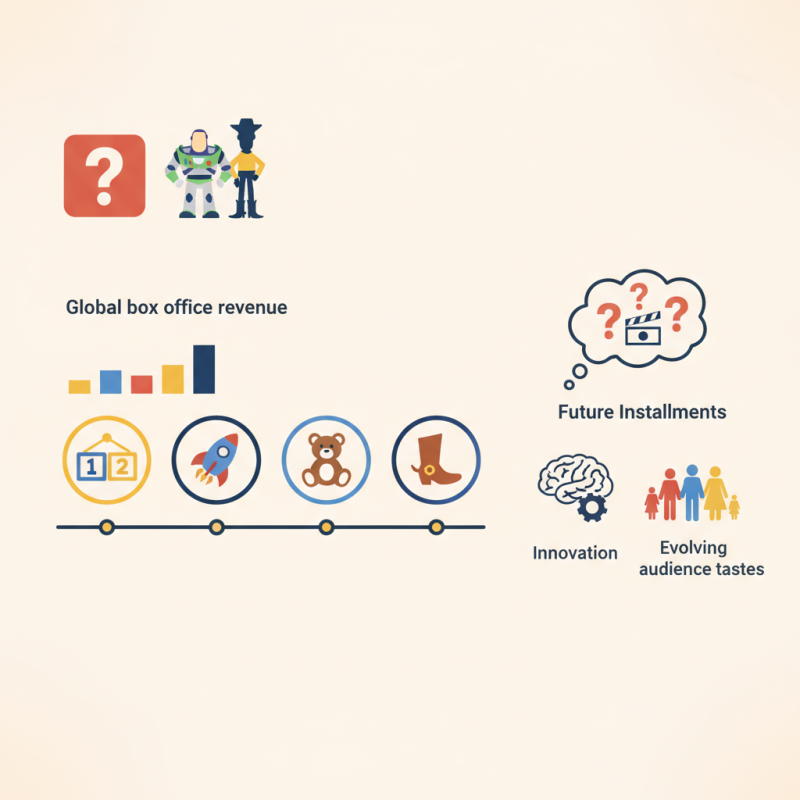
Fans often ponder over how many Toy Stories exist. Not only do the films showcase innovative storytelling, but they also invoke nostalgia across generations. However, there are questions about whether the series will continue. Some wonder if future installments can maintain the same level of quality and emotional impact. Reflecting on this franchise highlights the importance of innovation while considering the audience's evolving tastes.
Overview of the Toy Story Franchise
The Toy Story franchise has captured the hearts of audiences globally. It began with a groundbreaking film in 1995. This movie introduced viewers to a world where toys come to life. The blend of humor, emotion, and stunning animation was revolutionary.
Over the years, the franchise has expanded significantly. There are currently four main films, each exploring deeper themes of friendship and loyalty. The characters have evolved, showcasing their fears and triumphs. This evolution keeps the stories fresh and relevant. Fans have grown up with Woody, Buzz, and the gang. They resonate with the struggles of growing up and letting go.
However, not all aspects of the franchise received universal praise. Some critiques note that later films sometimes felt formulaic. The emotional depth varied from one installment to another. This inconsistency can lead to mixed reactions among devoted fans. The challenge remains to maintain originality while embracing beloved characters.
How Many Toy Stories Are There in the Franchise? - Overview of the Toy Story Franchise
| Title |
Release Year |
Director |
Box Office (in millions) |
Awards |
| Toy Story |
1995 |
John Lasseter |
360 |
Academy Award (Best Original Song) |
| Toy Story 2 |
1999 |
John Lasseter, Ash Brannon, Lee Unkrich |
497 |
Academy Award (Best Original Song) |
| Toy Story 3 |
2010 |
Lee Unkrich |
1,073 |
2 Academy Awards (Best Picture, Best Original Song) |
| Toy Story 4 |
2019 |
Josh Cooley |
1,073 |
1 Academy Award (Best Original Song) |
Main Films in the Toy Story Series
The "Toy Story" franchise has captivated audiences since its debut in 1995. The main films in the series include four feature-length movies: "Toy Story," "Toy Story 2," "Toy Story 3," and "Toy Story 4." Each installment offers a unique exploration of friendship and the complexities of growing up. The first film laid the groundwork for groundbreaking computer animation, a major turning point in the animation industry.
In 2021, a report by the Animation Guild revealed that "Toy Story" remains one of the most influential animated series, generating over $3 billion in box office revenue globally. Each film introduces new characters and themes, expanding the narrative universe. For example, "Toy Story 3" addressed the emotional transition of children as they grow up. This resonated deeply with audiences, making it a significant cultural touchstone.
Despite its popularity, there are ongoing debates about the necessity of additional sequels. Some fans question whether future installments can capture the magic of the originals. With over two decades of storytelling, it is essential to consider how the franchise evolves while maintaining its core values. The legacy of "Toy Story" lies in its ability to blend humor with heartfelt moments, constantly inviting introspection from its audience.
Spin-Offs and Related Media in the Franchise
The "Toy Story" franchise has expanded far beyond its initial cinematic offerings. Aside from the four main films, there are several spin-offs and related media that delve deeper into the beloved universe. These include animated shorts, series, and even video games, providing fans with a more comprehensive understanding of their favorite characters.
One major spin-off is "Forky Asks a Question," a series featuring Forky from "Toy Story 4." Each episode explores various life questions in a light-hearted manner. Additionally, "Toy Story That Time Forgot" offers a holiday special that introduces new characters and an exciting adventure. These pieces contribute to the overall lore, enlightening audiences about the world of toys.
Tips: Embrace the charm of related media by watching the specials during family movie nights. It’s a fun way to engage with characters in a variety of scenarios. Consider discussing each character's growth and learning in these shorts. Fans often find deeper connections through this exploration. Engaging with spin-offs can enrich your experience and invite new discussions with friends.
Box Office Performance and Critical Reception
The "Toy Story" franchise, spanning over two decades, has seen remarkable box office performance. As of 2023, the entire franchise has grossed over $3 billion worldwide. "Toy Story 4" alone brought in $1.073 billion, making it one of the highest-grossing animated films. However, despite commercial success, critics have had mixed feelings. While the first two films received nearly universal acclaim, later installments faced more scrutiny. The critical reception fluctuated, with "Toy Story 4" holding a 97% rating on Rotten Tomatoes, yet not everyone felt it matched the emotional depth of its predecessors.
Even though the franchise has maintained a strong box office presence, fans occasionally express dissatisfaction. Some argue the sequels lack the innovative spark of the original. Box office numbers may look good, but audience sentiment tells a different story. For instance, "Toy Story 3" received significant accolades, including two Academy Awards, while critiques targeted the narrative choices of its successors. The balance between financial success and artistic merit remains a topic of debate within industry circles.
Box Office Performance of Toy Story Franchise
Future Developments in the Toy Story Series
The Toy Story franchise has seen remarkable success since its inception. As of now, four main films have been released, captivating audiences worldwide. Industry analysis shows that the franchise has generated over over $10 billion globally, positioning it as a leader in animated storytelling. Despite this success, discussions about future developments are crucial. The animation market continues to evolve, presenting new opportunities and challenges.
Future Toy Story projects could pivot toward streaming content given the industry's shift. Reports indicate that 70% of consumers prefer streaming over traditional viewing. This pivot might include mini-series or spin-offs focusing on beloved characters. Experts argue that exploring secondary characters could capture new audience demographics. However, the challenge lies in maintaining the franchise's narrative integrity. Creative risks may lead to mixed receptions among loyal fans.
The demand for fresh content remains high, but not all ideas resonate. Previous efforts to expand the Toy Story universe have sparked debate regarding character reimagining. Balancing nostalgia with innovation is a delicate task. Recognizing past missteps offers valuable lessons. Embracing feedback can enhance future storytelling, ensuring that the franchise remains relevant.
FAQS
: The central theme revolves around friendship and the complexities of growing up.
The franchise has grossed over $3 billion globally, demonstrating its commercial appeal.
Yes, there are several spin-offs, like "Forky Asks a Question" and holiday specials.
Critics have mixed feelings; while early films received praise, later ones faced scrutiny.
Yes, it grossed $1.073 billion, becoming one of the highest-grossing animated films.
It addressed emotional transitions, resonating deeply with audiences and earning significant accolades.
Fans worry that new films may not capture the original magic and depth.
Watching spin-offs during movie nights can enhance engagement and character understanding.
Yes, the films blend humor with heartfelt scenes that invite introspection.
Despite financial success, some fans feel the sequels lack the innovative spark of the original.
Conclusion
The Toy Story franchise is a beloved series that has captivated audiences since its inception, showcasing the adventures of animated toys that come to life. In the main series, there are four major films, each exploring themes of friendship and the challenges of growing up. Additionally, the franchise has produced various spin-offs and related media, including shorts and specials, which expand the Toy Story universe and its characters.
In terms of box office performance, the films have achieved remarkable success, both commercially and critically, appealing to both children and adults alike. As for the question, "how many toy stories are there," the main films can be counted along with the spin-offs, making the franchise a rich tapestry of storytelling. Looking ahead, fans can expect future developments that promise to continue the legacy of this iconic series.

 Cart Toys