Can sex toys reinfect you? They can sometimes carry germs from one use, person, or body area to another, especially when they are shared or not cleaned as directed. But a toy is not automatically the cause of a returning infection. Some sexually transmitted infections can come back when a partner has not been treated, while symptoms may also have other causes. The details matter. A clinician can help identify what is happening.
This guide explains seven practical ways to reduce risk, from washing toys according to the manufacturer’s instructions to using a fresh condom on a shared toy. It also covers why material matters: a smooth, nonporous surface is generally easier to clean than a porous one, though no material replaces careful hygiene. Change condoms between partners and between body openings. Let toys dry fully, and do not use items with cracks or damaged surfaces. Small steps help.
It is easy to feel certain that a toy caused an infection, then overlook a partner’s treatment or a new exposure. That assumption may be wrong. If you notice pain, unusual discharge, sores, or symptoms that persist, pause use and seek advice from a qualified healthcare professional. Testing and treatment are more reliable than guessing. The aim is not to create fear, but to make safer habits simple, specific, and realistic.
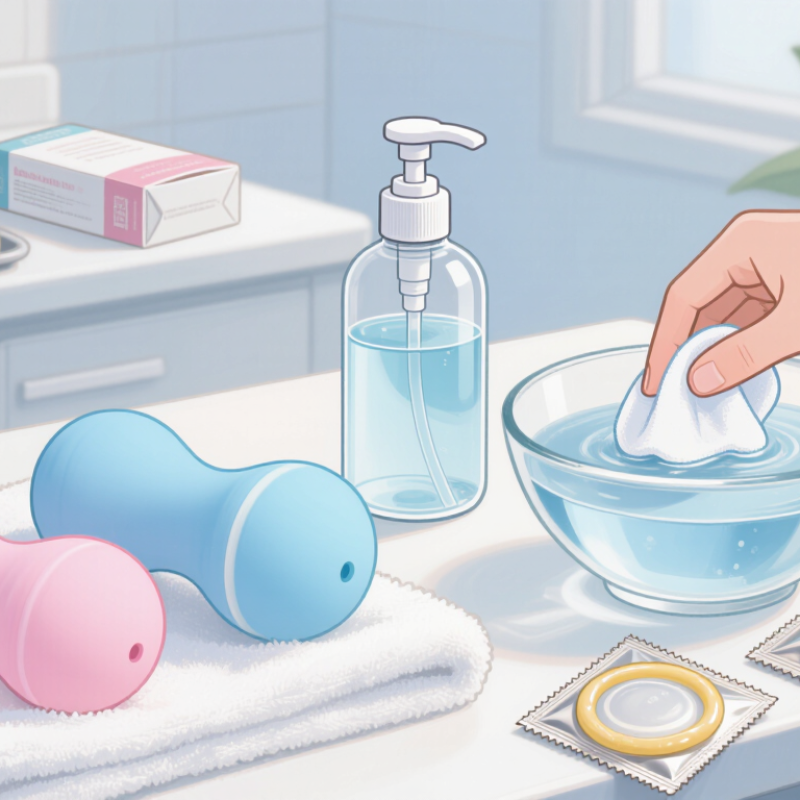
Sex toys can transfer bacteria, viruses, and other germs when shared between people or moved between body areas. A toy used during an active infection may carry organisms on its surface, especially if it has grooves or porous materials that are harder to clean. Some germs survive outside the body for different lengths of time, so appearance alone cannot show whether a toy is clean. It can happen. Cleaning helps, but it is not a guarantee.
Tips:
Small details matter. Soap and water may suit some toys, while others need a different method; harsh cleaners can damage materials. If a toy touched an infected area, clean it as directed before using it again, or avoid reuse until you have checked with a healthcare professional. I might once have assumed a quick rinse was enough, but that leaves too much to chance. If symptoms return, seek medical advice rather than relying on cleaning alone.
Yes. Germs can move through genital fluids or skin contact. Grooves and porous surfaces may be harder to clean. A clean appearance proves little.
Gonorrhea, chlamydia, and trichomoniasis may spread through infected fluids. Herpes and HPV can spread through skin contact. Risk varies by infection and use.
Use a fresh condom for each person or body area. Change it every time; never reuse it. Wash your hands between handling the toy and touching genitals.
Not necessarily. Follow the toy’s cleaning instructions, since materials differ. Harsh cleaners may cause damage. I used to find a rinse reassuring, but it can leave too much to chance.
Avoid sharing when someone has sores, unusual discharge, or a diagnosed infection. Wait for a clinician’s advice about treatment and when sexual contact can resume.
An untreated partner is a common reason chlamydia or gonorrhea returns. A clinician can advise whether partners need testing or treatment.
Contact a healthcare professional about unusual discharge, sores, burning during urination, pelvic or testicular pain, or fever. Symptoms can be subtle—or absent.
Ask a clinician which tests fit the exposure and when to take them. Testing too soon may miss some infections. Don’t guess.
Severe pain or fever needs prompt medical attention. Possible HIV exposure within 72 hours calls for urgent advice about post-exposure medication. Follow a clinician’s guidance on retesting, including after treatment.
Can sex toys reinfect you? They can potentially carry or reintroduce germs when fluids or contaminated surfaces remain on a toy, especially if it is shared or used between body areas without cleaning or a fresh barrier. Some sexually transmitted infections and other infections may spread this way, but risk depends on the infection, the material, and how the toy is used and cleaned. Porous materials, seams, and complex designs can be harder to clean than smooth, nonporous surfaces, so follow the toy’s care instructions.
Seven safer habits can help: wash your hands before and after use; clean the toy as directed; use a new condom on it between partners or body sites; avoid sharing it when anyone has symptoms or an untreated infection; check for cracks or damage; let it dry fully; and store it separately in a clean, dry place. If symptoms appear, an infection returns, or you may have been exposed, seek testing or medical advice and ask when it is safe to resume sexual activity.

 Cart Toys