The use of sex toys is becoming increasingly common. Many people wonder, can sex toys reinfect you? This question raises concerns about hygiene and safety.
Sex toys can harbor bacteria and viruses if not cleaned properly. Poor cleaning methods can lead to infections or reinfections. For instance, using the same toy for anal and vaginal purposes without cleaning can be risky.
Awareness of hygiene is crucial. After all, people often overlook the importance of regular cleaning. Ignoring this could result in more than just discomfort. Misunderstandings about proper care may leave users vulnerable to infections. This issue deserves more attention than it often receives.
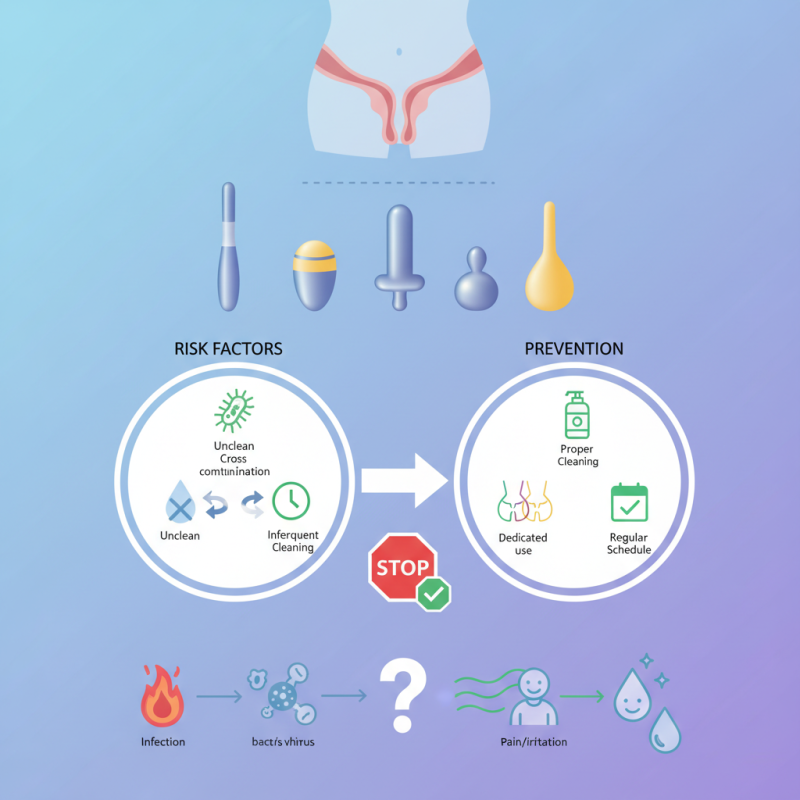
Sex toys can play a complex role in sexual health. Recent studies suggest that improper use and inadequate cleaning can lead to infections. For instance, a survey published in the Journal of Sexual Medicine indicated that up to 30% of users did not clean their toys after use. This neglect can create a breeding ground for bacteria.
Moreover, some health experts emphasize the risk of reinfection. For individuals with a history of sexually transmitted infections (STIs), unclean toys can introduce pathogens back into the body. The American Sexual Health Association reports that approximately 50% of people who experience an STI will have recurrent infections without proper preventive measures.
On another note, awareness is growing about safe practices. Educating users on the importance of hygiene is critical. Basic steps, like using condom protection on toys and regular cleaning with appropriate solutions, can mitigate risks. Still, many users fall short of these precautions. The gap in knowledge can lead to serious health issues.
Sex toys can bring pleasure, but they also carry risks. Infections such as bacterial vaginosis and yeast infections are common concerns. When used improperly, toys can harbor bacteria and fungi. This can lead to uncomfortable symptoms like itching and unusual discharge.
**Tip:** Always clean your toys with warm water and mild soap before and after use. This small step can make a big difference. Some may forget this, thinking, "It’s not a big deal." But neglecting hygiene can invite trouble.
Another infection linked to sex toys is HPV. Sharing toys without protection is risky. Some people may underestimate this risk. Using condoms on shared toys can help reduce the chance of transmission. Remember, infections can occur without obvious symptoms.
**Tip:** Consider storing your toys in a clean, dry place. Avoid sharing them if possible. Don't hesitate to replace worn-out toys. Taking these precautions can enhance your experience and maintain better health.
This chart illustrates the percentage of common infections that may be associated with the use of sex toys. Notably, bacterial vaginosis has the highest reported rate among users, followed closely by sexually transmitted infections and yeast infections. It is essential for users to maintain proper hygiene and consider these risks when using sex toys.
Using sex toys can enhance pleasure, but they can also pose risks. Infections may arise from improper usage or lack of hygiene. The American Sexual Health Association highlights that 30% of individuals using sex toys might experience infections if they aren’t adequately cleaned. This statistic underscores the importance of preventive measures.
Tips for Safe Usage:
1. Clean your toys before and after each use. Use hot water and mild soap. Make sure no residue remains.
2. Store toys in a clean and dry place. A dedicated pouch can limit dust and bacteria exposure.
Some people might forget to check the materials in their toys. Silicone, glass, or stainless steel are safer choices. Avoid porous materials that can trap bacteria. In a survey, 40% of respondents unknowingly used toys made from unsafe materials. Choosing wisely is crucial for maintaining health.
Tips for Selection:
1. Research materials before purchase. Quality matters. Look for body-safe certifications.
2. Avoid sharing toys or use a condom if sharing is necessary. This can significantly reduce infection risks.
Using sex toys can enhance pleasure but may also pose health risks. Signs of possible reinfection or infection from sex toys include unusual discharge, irritation, or persistent discomfort. If you notice these symptoms, consider your toys.
Cleaning sex toys properly is crucial. Use warm water and mild soap after each use. Ensure they dry completely before storing. This helps prevent bacterial growth. Try to keep them in a clean, dry place.
When sharing sex toys, use condoms to reduce the risk of infection. Discard old or damaged toys. Always pay attention to your body. Not all sensations are good signs. If something feels off, it’s wise to seek medical advice. Taking these steps can lead to safer, more enjoyable experiences.
Cleaning sex toys properly is crucial to maintain hygiene. After every use, wash them with warm water and mild soap. Rinse thoroughly to remove any residue. This practice reduces the risk of infections or reinfection significantly. Allow them to air dry completely before storage. It’s important not to store toys when they are still damp.
Different materials require specific care. Silicone toys can be cleaned with alcohol or bleach solutions. Glass and stainless steel can handle harsher cleaners. However, porous materials like rubber need more caution. They can harbor bacteria even after washing. Reflect on your cleaning habits. Are you being thorough enough? Consider setting a routine to ensure cleanliness after each use.
Keeping your toys in a clean, dry place is essential. Using a designated storage bag or box is advisable. This keeps them dust-free and reduces exposure to bacteria. Remember, neglecting maintenance can lead to unpleasant outcomes. Regularly inspect your toys for any signs of wear. Even minor damage can create a breeding ground for germs.
| Dimension | Details |
|---|---|
| Material | Body-safe silicone, glass, stainless steel |
| Cleaning Method | Warm water and mild soap, designated toy cleaners |
| Drying Technique | Air dry or use a clean towel |
| Storage Tips | Store in a clean, dry place away from direct sunlight |
| Frequency of Cleaning | Before and after each use |
| Signs of Damage | Cracks, discoloration, or loss of functionality |
| Recommended Usage | Personal use; avoid sharing to reduce infection risk |
: Many products cater to various needs. This includes electronics, home essentials, and personal goods. However, availability may vary.
Orders can typically be placed online. Users add items to a cart and check out. The process can be confusing for new users.
Common payment options are credit cards and digital wallets. Some users encounter issues with certain methods during checkout.
Many services offer international shipping. However, delivery times and fees often depend on the destination and provider.
A return policy usually allows goods to be returned within a specific period. Users should review conditions as they can vary widely.
Most platforms provide tracking information after dispatch. Users sometimes forget to check for updates, leading to confusion.
Customer support is available for resolving problems. Some users report slow response times, creating frustration.
Testimonials can offer insights, but they may not reflect everyone’s experience. It’s wise to read a variety of reviews.
Unsubscribing is usually done through a link in the newsletter. Users often overlook this, leading to continued emails.
Out-of-stock items may be restocked later. Users should check back frequently or consider alternative products.
The article titled "Can Sex Toys Reinforce Infections or Cause Reinfection?" investigates the potential health risks associated with sex toy usage. It highlights the importance of understanding the role of sex toys in the transmission of infections, detailing common infections that may be linked to their use. To mitigate these risks, the article outlines preventive measures for safe usage, emphasizing proper hygiene and maintenance practices.
Additionally, it discusses signs that may indicate possible reinfection from sex toys, reinforcing the notion that users should remain vigilant and informed. Ultimately, the article aims to answer the question of whether sex toys can reinfect you, providing readers with essential guidance to help ensure a safe and healthy sexual experience.

Cart Toys