Choosing the right toy airplane models for kids can be challenging. According to David Carter, an expert in children's toys, “A great model should inspire creativity and learning.” Toy airplane models come in various shapes, sizes, and complexities. This diversity can excite young minds but may also overwhelm parents.
When selecting a model, consider the child's age and interests. Younger kids might enjoy simpler designs with easy-to-follow instructions. These basic models build confidence. Older children may appreciate more detailed kits with advanced features. However, parents must ensure these models are suitable for their skills. A mismatch can lead to frustration.
It's essential to look at the materials used in toy airplane models. Safety should always be a priority. Products made from durable and non-toxic materials are preferable. This consideration helps prevent accidents during play. Parents should also reflect on whether the chosen model encourages imaginative play or just serves as a static display. In the end, the right toy can spark a lifelong passion for aviation.
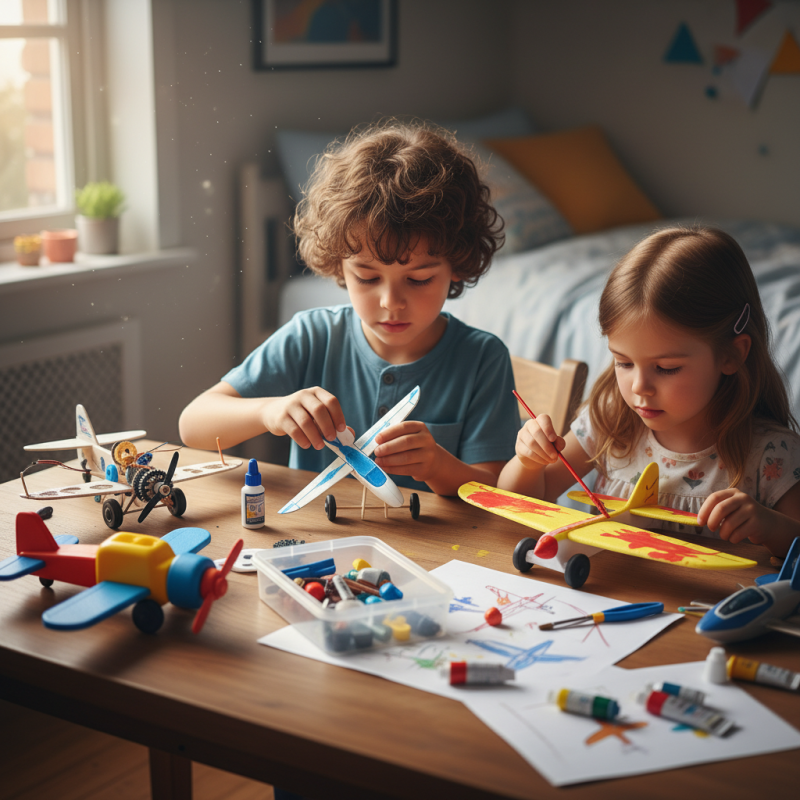
When selecting kid-friendly toy airplane models, safety is a top concern. According to a recent report by the Consumer Product Safety Commission, over 200,000 toy-related injuries are reported annually. It's crucial to choose models made from non-toxic materials and without small parts that could pose choking hazards for younger children. Popular choices often include foam and plastic options that comply with safety standards. This reduces risks during playtime.
Another important factor is age appropriateness. The best models are designed with the child’s age and interests in mind. For instance, aircraft models for preschoolers should be simple to use. Kids in this group often enjoy bright colors and engaging designs. On the other hand, older children might prefer more complex models that allow for creative assembly. Around 40% of parents focus on educational features in toy selection. Engaging children in learning about physics and mechanics can create a meaningful play experience.
Consider the durability and playability as well. Many models break easily under rough handling. Choosing a robust model can save money in the long run, reducing waste and frustration. Though some higher-priced models provide great durability, not all of them are worth their price. A balance between cost and quality is essential. Ensuring the model will withstand a child’s enthusiastic play is vital for a satisfying purchase.
| Criteria | Description | Recommended Age | Materials | Safety Features |
|---|---|---|---|---|
| Size | Consider the dimensions to ensure it's manageable for kids. | 3+ | Plastic, Foam | Rounded edges, non-toxic materials |
| Type | Select between remote-controlled or static models. | 6+ | Plastic, Metal | Stable design for safety during play |
| Educational Value | Look for models that promote learning about physics and aerodynamics. | 8+ | Wood, Plastic | None |
| Durability | Assess if the model can withstand drops and rough handling. | 4+ | Plastic, Foam | Crash-resistant design |
| Color and Design | Bright, engaging colors can enhance playtime. | All Ages | Varied Materials | Safe paint finish |
: Safety is crucial. Choose models made from non-toxic materials and avoid small parts that may cause choking.
Younger children benefit from simple designs. Older kids might enjoy complex models, like building kits that spark engineering interest.
Durable models withstand rough play, reducing waste and frustration. A balance between cost and quality is necessary for value.
They teach basic physics concepts, encouraging curiosity about aerodynamics through play and experimentation.
Playing together fosters teamwork and communication. Kids can share ideas and create stories, enhancing their social development.
Seek models with adjustable wings or removable parts. These features encourage experimentation and boost problem-solving skills.
Adjust expectations based on their developmental stage. Some kids may prefer simpler models, while others might enjoy more challenges.
Yes, play with airplane models can enhance understanding of physics and spark discussions about flight and movement.
Involve them in discussions about their preferences. This helps find a toy that aligns with both enjoyment and age.
Some overlook the child's skill level or choose models that are too complicated, leading to frustration instead of enjoyment.
When selecting toy airplane models for kids, several key considerations must be taken into account to ensure a safe and enjoyable experience. Understanding the differences between materials, such as styrofoam and plastic, is crucial, as each offers distinct benefits and drawbacks in terms of durability and safety. Additionally, adhering to safety guidelines regarding material selection and design can help prevent injuries during play.
Age appropriateness plays a significant role in choosing the right toy airplane models, as different designs and complexities are suited to various developmental stages. Moreover, evaluating the educational benefits of toy airplanes can enhance a child's learning experience, fostering skills such as hand-eye coordination and spatial awareness. Ultimately, selecting the right toy airplane models can significantly contribute to a child's cognitive and physical development while providing hours of imaginative play.

 Cart Toys