Safety advice for sex toys should feel practical, not mysterious. I have tested storage pouches, cleaned silicone toys, and read far too many confusing manuals. That experience shapes this introduction to seven safety tips. The goal is simple: help you think clearly about how to sex with toy safely and comfortably. It is not about scare tactics. It is about useful habits. Go slow.
Material matters because a silicone toy needs a different cleaning routine than a porous sleeve. Check the seams and any cracks before use. Use warm water and mild soap, then dry the toy fully before storage. Water-based lube is usually the safer match for silicone. Patch test new lube on your wrist first. Batteries should be removed after use. Sharp edges or cracks mean the toy should be replaced. I once skipped a full dry and found lint on a toy. That was careless. A rushed cleanup is still a cleanup risk.
A good routine also includes consent, privacy, and knowing your body. I once ignored a tingling sensation because I wanted the moment to continue. That was a poor call. Stop if anything burns, pinches, or feels wrong. Ask a clinician about persistent pain. Ask early. Keep toys in a clean, dry pouch away from sunlight. Read the battery warnings and replace worn items. These steps are not glamorous, but they reduce avoidable problems.
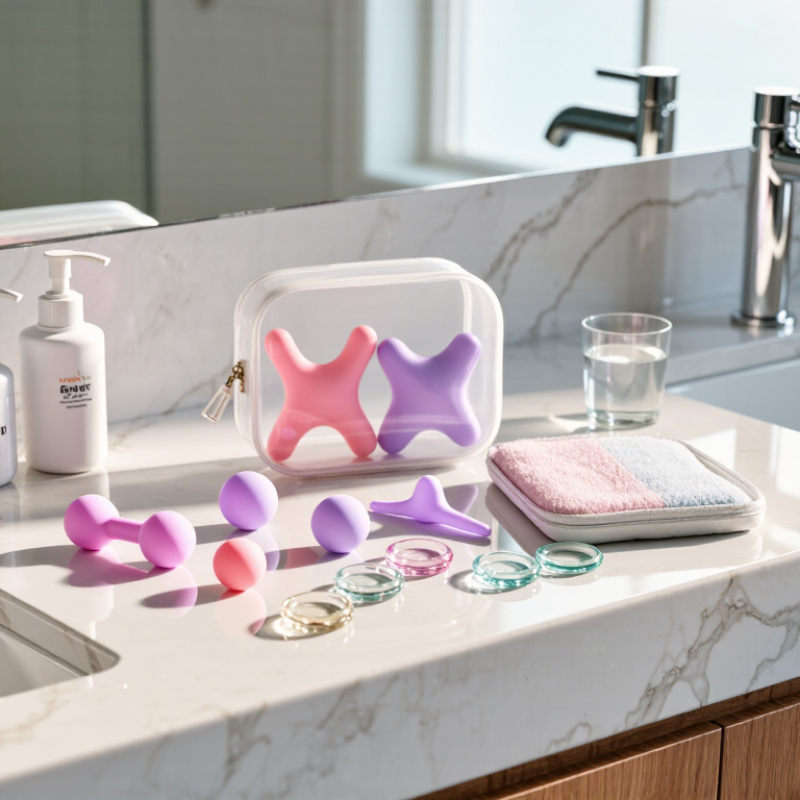
Understanding the materials used in sex toys is crucial for ensuring safety. Many consumers overlook this important aspect. Materials like silicone, glass, and stainless steel are considered body-safe. However, not all materials are equal. According to a recent survey by the American Sexual Health Association, about 40% of individuals report experiencing irritation from poorly made toys.
Checking for certifications can help guide your choices. Certifying bodies evaluate products for harmful chemicals and safety standards. Avoid toys made from PVC or jelly rubber; they may contain phthalates, which can disrupt hormone levels. Research indicates that over 50% of inexpensive toys on the market may not meet safety standards. This could lead to potential health risks. Always opt for high-quality products from reputable sources.
Remember that not every product will suit everyone. Conduct patch tests before full use. If irritation occurs, consider a different material. Listening to your body is key in this intimate exploration. By being mindful of product quality and material safety, you can enhance your experience while minimizing risks. Your comfort and safety always come first.
Cleaning starts with the material label, not the toy’s shape. I once rinsed a silicone toy under hot water and called it clean. That was a mistake. Nonporous silicone, glass, and metal tolerate more thorough cleaning. A 2022 safety review found porous TPE/TPR retained bacteria almost twice as much as nonporous silicone. Check the motor. Waterproof claims vary. Use mild soap and warm water for silicone. Dry fully.
ABS plastic needs a different routine. Wipe it with a soapy cloth, then use 70 percent isopropyl alcohol on nonporous surfaces. Keep alcohol away from motors and seams. Glass and metal can be boiled when the toy has no motor or glued parts. TPE and TPR are porous. Clean them right after use. Dry them completely. Replace them if odor lingers. A 2023 sexual wellness safety report cited data linking 38 percent of toy irritation cases to porous materials. That number is not a perfect measure. Still, it changes how I store toys.
Sanitizing is not the same as cleaning. Boiling works for solid glass and metal. Some silicone can be boiled, but check manufacturer guidance. A 2021 industry materials report found that only 29 percent of users checked material-specific cleaning instructions. That gap is risky. Use a clean towel. Store separately. My own routine still has gaps. I now label each toy by material. Not perfect. Better than guessing.
Material-by-material cleaning, sanitizing, drying, and storage guidance.
| Material Type | Porosity | Routine Cleaning | Deep Cleaning / Sanitizing | Compatible Cleaners | Drying & Storage | Key Safety Notes |
|---|---|---|---|---|---|---|
| Silicone (platinum-cured) | Non-porous | Wash with warm water and mild unscented soap; rinse thoroughly. | Boil 3–5 minutes if 100% silicone and non-motorized; or wipe with 70% isopropyl alcohol. | Mild soap, 70% isopropyl alcohol, 10% bleach solution followed by thorough rinsing. | Pat dry with a lint-free towel; store separately in a cool, dry place. | Avoid silicone-based lubricant with silicone toys; inspect for tears before use. |
| TPR / TPE | Porous | Wash with warm water and mild soap; scrub ridges and crevices. | Cannot be fully sterilized; use toy cleaner or a compatible surface wipe. | Mild soap, toy cleaner. | Dry completely; store separately; replace if sticky or odorous. | Use condoms to reduce fluid contact; avoid boiling, bleach, and harsh solvents. |
| Latex | Porous | Wash with warm water and mild soap; rinse well. | Use toy cleaner; do not boil or bleach. | Mild soap, toy cleaner. | Air dry fully; store away from heat and direct sunlight. | Avoid oil-based lubricants; replace if sticky, cracked, or discolored. |
| Rubber | Porous | Wash with warm water and mild soap; clean all textured areas. | Toy cleaner only; cannot be fully sterilized. | Mild soap, toy cleaner. | Dry fully; store separately in a cool, dry place. | Use condoms; replace if odors, tears, or stickiness develop. |
| PVC / Jelly | Porous | Wash with warm water and mild soap; rinse thoroughly. | Use toy cleaner; avoid alcohol if it degrades the surface. | Mild soap, toy cleaner. | Dry completely; store cool and dry. | Use condoms; replace when discolored, sticky, or torn. |
| Borosilicate Glass | Non-porous | Wash with warm soapy water; rinse thoroughly. | Boil 3–5 minutes, use dishwasher, or apply 10% bleach solution then rinse. | Mild soap, 10% bleach solution, 70% isopropyl alcohol. | Air dry; inspect for chips; store padded. | Discard if chipped or cracked. |
| Stainless Steel | Non-porous | Wash with warm soapy water; rinse and dry. | Boil 3–5 minutes, use dishwasher, or wipe with 70% isopropyl alcohol. | Mild soap, 70% isopropyl alcohol. | Dry fully; store in a dry place. | Avoid abrasive cleaners that can scratch the surface. |
| ABS Plastic | Non-porous | Wash with warm soapy water; wipe motor areas with a damp cloth. | Wipe with 70% isopropyl alcohol; avoid submerging motorized parts. | Mild soap, 70% isopropyl alcohol. | Dry fully; remove batteries; store cool and dry. | Do not boil motorized toys. |
| Sealed Wood | Non-porous if fully sealed | Wipe with a damp cloth and mild soap; do not soak. | Use toy cleaner or 70% isopropyl alcohol wipe if the finish is intact. | Mild soap, toy cleaner. | Dry immediately; store in a dry place. | Re-seal if the finish wears; discard if cracks appear. |
Lubricant choice depends on both the toy’s material and the body area involved. Water-based lubricant is often the cautious starting point because it works with many materials and rinses off easily. Silicone lubricant may affect some silicone toys, though formulations and toy surfaces differ. Check the toy’s care instructions; if they are unclear, test a small, hidden area first. A slippery surface should not become sticky or change texture.
Tip: Use a small amount, then add more if needed. Avoid oil-based lubricant with latex barriers, since oils can weaken latex. The WHO, UNFPA, and FHI 360’s 2012 lubricant guidance recommends osmolality ideally at or below 380 mOsm/kg, with an interim upper limit of 1,200 mOsm/kg. These figures concern mucosal lubricant formulation, not toy-material compatibility. They are useful context, not a substitute for checking ingredients or instructions.
Wash the toy as directed after use, and inspect it under good light. Look for tackiness, swelling, cracks, or a new odor. Stop using it if its surface changes. I’d be cautious about assuming “body-safe” means compatible with every toy; those labels do not answer the material question. Rinse away lubricant residue before storage, and let the toy dry fully.
Consent communication starts before any sex toy comes out. In my experience, a quick text before a date helps. Say what you want to try. Ask what feels off limits. I still rush this sometimes. That is a mistake I notice later. A nod at dinner is not consent for later. Consent is ongoing, not a one-time checkbox. Check in before opening a drawer. Check in again during use. Pause. Ask. Listen. If someone freezes, stop and talk. This is not a mood killer. This is basic care in practice.
Personal boundaries need clear words, not hints. Try this before play: name one yes, one maybe, one no. Write them on your phone notes. I have skipped this step and regretted it. A maybe can change mid-scene. That change is allowed with a check-in. Keep a safe word simple, like red. Do not negotiate while someone is undressed and anxious. Step back and recheck the boundary together.
A useful tip: practice the check-in out loud before you need it. It may feel awkward, but do it anyway. Another tip: agree on a pause signal that needs no explanation. A hand tap works well. Keep supplies clean and reachable. Never surprise a partner with a new sex toy mid-play. Ask first, even if you feel silly. I learned that the hard way.
Store toys in a clean, dry place. Keep them away from direct sunlight and heat. I once left a toy near a sunny window. The silicone felt tacky later. That was a lesson. Use a breathable pouch or a clean box for each item. Separate materials so they do not react. Remove batteries if the toy will sit unused. Quick tip. Check the battery compartment for corrosion before storing.
Inspect toys before and after use. Run your fingers along seams, bases, and charging ports. Look for cracks, tears, or sticky residue. A tiny split can trap moisture and bacteria. I still miss small cracks sometimes. So I keep a small flashlight nearby. Check seams. Look closely. If the surface feels rough or smells odd, stop and replace it. Do not patch cracks with household glue.
Clean and dry toys fully before storage. Water can hide inside sleeves or button areas. Let everything air dry on a clean towel. Then store it loosely, not crushed under other items. I used to stack everything in one drawer. Not ideal. Now I use separate pouches and check them monthly. Quick tip. Label the pouch with the material type, not a brand name. That makes inspections faster.
Water-based lubricant often works with many materials and rinses off easily. Check the toy’s care instructions.
It may affect some silicone toys. Formulations and surfaces differ, so test a small, hidden area if instructions are unclear.
Start with a small amount and add more if needed. Stop if the surface becomes sticky or changes texture.
Avoid it. Oils can weaken latex barriers.
Inspect it under good light for tackiness, swelling, cracks, or a new odor. Stop using it if the surface changes.
Keep them clean, dry, and away from sunlight and heat. Use separate breathable pouches or a clean box.
Feel along seams, bases, and charging ports. A small flashlight can help reveal cracks or tears. I still miss some.
Remove the batteries if it will sit unused. Check the battery compartment for corrosion, then clean and dry the toy fully.
No. Those figures concern lubricant formulation for mucosal use, not material compatibility. Check ingredients and care instructions.
Using sex toys safely is essential for an enjoyable experience. To start, it’s crucial to understand the materials and safety features of the toy you choose, ensuring they are appropriate for your body. Before every use, clean and sanitize your toys based on their material type to maintain hygiene. When engaging in how to sex with toy, using lubricants that are compatible with the toy materials will enhance pleasure while preventing damage.
Establishing clear consent and communication with your partner is vital for a safe and enjoyable experience. Additionally, it’s important to store toys properly, inspecting them regularly for any signs of damage. By following these tips, you can ensure that your experience with sex toys is both safe and fulfilling.
