The story of Toys R Us is one of nostalgia. Many people wonder, "when did Toys R Us close?" The toy giant officially closed its doors in 2018, ending a 70-year legacy. Industry expert Richard Gottlieb stated, "The rise and fall of Toys R Us is a cautionary tale."
Toys R Us was once the go-to place for children’s toys. Families cherished trips to its vibrant stores. But changing market dynamics left the brand struggling. E-commerce giants reshaped retail. As sales dwindled, debt mounted. Eventually, bankruptcy seemed inevitable.
Reflecting on this, the once-revered brand illustrates the need for adaptation. It’s a reminder of the importance of evolution in business. While the toys inside may be gone, the lessons learned remain.
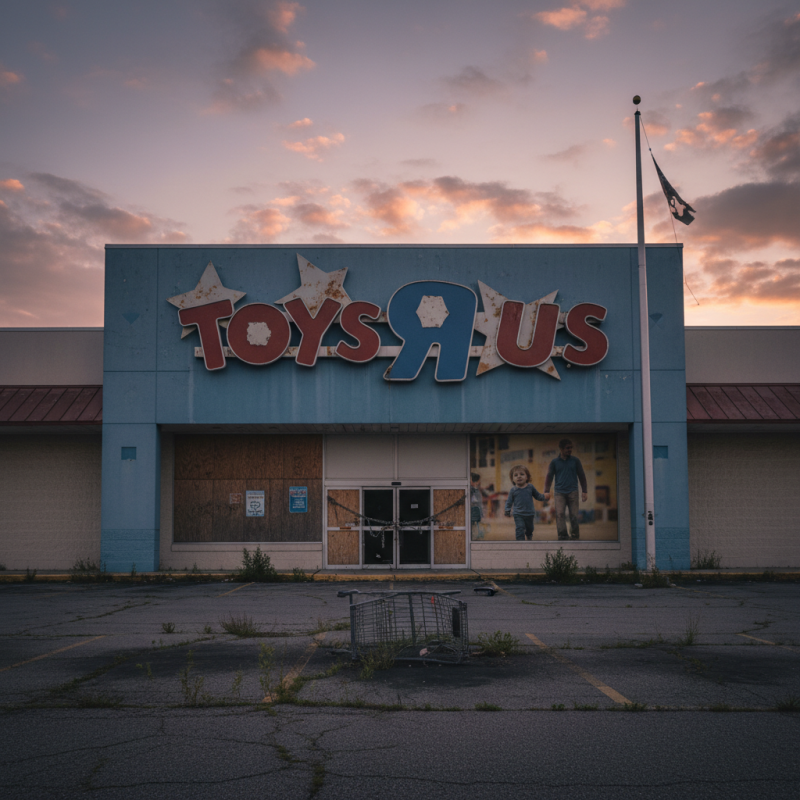
The history of this toy retailer reveals a journey filled with innovation and challenges. It began in the early 1950s, focusing on a wide range of toys. The store quickly attracted families looking for a one-stop shopping experience. By the 1980s, it had grown into a national icon. Sales soared, making it a leader in the toy industry. According to industry reports, market share peaked at around 20% in the 1990s.
However, changes in consumer behavior began to surface in the late 2000s. The rise of online shopping changed how people bought toys. A report indicated that about 30% of consumers favored online stores over brick-and-mortar shops. Competition intensified from e-commerce giants. This shift forced traditional stores to adapt, but many struggled to keep up.
Throughout its journey, missed opportunities became apparent. Decisions about expansion and inventory management came under fire. Analysts noted that a failure to innovate weakened the brand’s position. Despite its once-great prominence, the decline was undeniable. The once-beloved retailer could not recover from these challenges. It serves as a cautionary tale for future businesses.
Financial challenges can impact even the largest companies. One major toy retailer faced a series of setbacks that led to its bankruptcy. Key issues included massive debt and increased competition. These factors created a perfect storm, challenging its business model.
In recent years, consumer preferences shifted. Online shopping became more popular. This change harmed many brick-and-mortar stores. The retailer struggled to keep up with digital sales strategies. Customers wanted convenience, and the company couldn't deliver it convincingly. While efforts were made to innovate, they fell short.
Additionally, the toy market saw a shift in trends. Fewer children were interested in traditional toys. Instead, interests leaned toward technology and video games. This disconnect with its customer base eroded sales. For every new idea the company tried, the results were often disappointing. Reflection on these decisions revealed missed opportunities, contributing to its downfall.
The closure of a well-known toy retailer marks a significant point in retail history. Several key factors contributed to its downfall. First, intense competition emerged from online platforms. These platforms offered convenience and lower prices. Traditional toy stores struggled to keep pace with this changing landscape. Many customers preferred shopping from home rather than visiting brick-and-mortar stores.
Additionally, the retailer faced a heavy burden of debt. Years of financial strain made it difficult to invest in modernizing stores. Shifting consumer trends also played a role. Kids began gravitating toward electronic devices instead of traditional toys. Stores became less appealing to families.
The company's inability to adapt to this rapidly changing market stands out. There were missed opportunities to enhance customer experience and embrace new trends. As a result, loyal customers turned elsewhere. The once beloved store is now a reminder of how quickly success can fade.
| Year | Event | Reason/Impact |
|---|---|---|
| 2017 | Filed for Bankruptcy | Struggled with heavy debt and competition from online retailers |
| 2018 | Closed 182 Stores | Declining sales and need to reduce operational costs |
| 2019 | Ceased Operations | Inability to find a buyer; liquidation of assets |
| Ongoing | Online Competition | Shift in consumer shopping habits towards e-commerce |
| Various | Management Decisions | Poor strategic choices and delayed adaptations to market trends |
The demise of a major toy retailer serves as a case study in business strategy. By 2017, the company announced its bankruptcy, citing overwhelming debt and increased competition. Sales declined due to changing consumer habits and the rise of e-commerce. In 2016, foot traffic in stores decreased by nearly 20%, reflecting a significant shift in shopping behaviors.
In 2018, the liquidation process began, impacting thousands of employees. Reports indicated that around 33% of shoppers were now preferring online purchases for toys. Consequently, maintaining brick-and-mortar stores became unfeasible. The retailer failed to adapt swiftly, losing market shares to newer, more agile competitors.
In the years leading up to the bankruptcy, substantial debt burdens remained unmet. At its peak, they had debts exceeding $5 billion. Industry analyses highlighted that without innovation and a robust digital presence, even giants could stumble. Reflecting on these events, it’s apparent that the traditional retail model must evolve with consumer preferences.
The bankruptcy of a major toy retailer sent shockwaves through the retail landscape. The closure had deep implications for the toy industry. Many smaller toy companies relied on this giant for distribution. Loss of a major partner created challenges for them. Some faced financial instability, resulting in layoffs and store closures.
As store shelves emptied, the impact on consumers was evident. Parents found fewer options for holiday shopping. Children missed out on popular toys. This shift in buying habits affected the entire market. Online shopping surged, but the in-store experience diminished. Many families reflected on what retail meant to them.
The struggle also raised questions about the future of physical stores. With more consumers shopping online, the importance of in-store experience faded. The industry now grapples with adapting to changing preferences. There may be lessons to learn about diversification and innovation. The toy industry's landscape will continue to evolve as it seeks to remain relevant.
: The product is designed to enhance daily convenience and improve efficiency. Users often find it helpful for multitasking.
The product is suitable for a wide range of users. It can benefit students, professionals, and homemakers alike.
To maximize its potential, read the user manual carefully. Practice makes perfect; don't hesitate to experiment.
Yes, avoid exposure to extreme temperatures and moisture. Always ensure proper handling to prevent mishaps.
Check the power source and connections first. If problems persist, consult troubleshooting tips in the guide.
Yes, it is versatile and designed for various settings. However, consider the specific needs of each environment.
Simple cleaning and regular checks can extend its life. Neglecting maintenance could lead to performance issues.
Most products come with a basic warranty. Review the details for specific return procedures and timelines.
Yes, it is portable and convenient for travel. However, remember to check local regulations before using it.
Most manufacturers provide customer support. Don’t hesitate to reach out for assistance with your concerns.
Toys R Us, once a beloved giant in the toy retail industry, faced significant financial challenges in the years leading up to its bankruptcy filing in 2017. The company's rise to prominence was marked by its vast selection and innovative marketing strategies. However, mounting debt, increased competition from online retailers, and changing consumer preferences ultimately contributed to its decline.
When did Toys R Us close? The retailer officially shut its doors in 2018, leaving a profound impact on the retail and toy industry. The closure signaled not only the end of an iconic brand but also highlighted the challenges brick-and-mortar stores face in today's digital marketplace. The ripple effect of this bankruptcy has reshaped consumer shopping habits and raised questions about the future of retail.

Cart Toys