The closure of Toys R Us remains a significant topic in retail history. Many wonder, "why did Toys R Us close?" The brand once dominated the toy industry, controlling nearly 20% of the market share in the late 1990s. However, changing consumer preferences and fierce competition ultimately led to its downfall.
In a landscape where online shopping gained momentum, Toys R Us struggled to adapt. E-commerce giants captured a generation of shoppers who preferred convenience over in-store experiences. Additionally, reports from market analysts indicated that the company's $5 billion debt heavily burdened its operations. Unfortunately, management decisions, such as overexpansion and failure to innovate, also contributed to their decline.
Looking back, the story of Toys R Us serves as a cautionary tale. While it was synonymous with childhood joy, it could not keep pace with a rapidly evolving market. The demise of this iconic brand pushes us to reflect on the importance of adaptability in commerce. Every brand can learn valuable lessons from this downfall.
Toys R Us started as a small baby furniture store in the late 1940s. The brand grew rapidly in the 1980s, becoming a massive toy retailer. Kids flocked to its large, colorful stores, filled with the latest toys. Parents cherished the nostalgia associated with family trips to the store. It was more than just shopping; it was an experience.
However, times changed. Online shopping began to dominate the market. Competitors emerged, offering convenience and lower prices. The brand struggled to keep up. Financial issues led to bankruptcy in 2017. Many remembered the excitement of walking through the aisles, but it was not enough. The store closed, leaving a void for many who loved it.
Looking back, we see missed opportunities. The brand didn't adapt quickly enough. Its iconic status faded, and nostalgia turned into sadness. Lessons can be learned about innovation and flexibility in business. The journey of this brand offers insight into the changing retail landscape. How do we balance tradition with progress?
This chart shows the number of toy retail store closures in the United States from 2015 to 2020, along with the market share of different toy retail segments in 2021. It highlights the decline of physical retail due to increased online competition and changing consumer preferences.
The closure of a popular toy retailer reflects deeper issues in the changing retail landscape. Many factors contributed to the downfall. Increased competition from online retailers made it difficult to maintain sales. Customers grew accustomed to the convenience of shopping from home. As a result, foot traffic in physical stores dwindled.
High overhead costs also played a significant role. Many locations were large, with high rent. Maintaining these stores was a financial burden. While the brand had a strong history, adapting to modern trends proved challenging. It seemed there was a disconnect between what consumers wanted and what the stores offered.
Moreover, shifts in consumer behavior were evident. Families sought experiences over material toys. The focus on technology changed the play landscape, favoring interactive and digital products. Nostalgia alone couldn't sustain the brand. Reflecting on these aspects, it's clear that the closure wasn't solely about poor management; it was a wake-up call for the industry.
| Reason | Description |
|---|---|
| Increased Competition | The rise of online retail giants and discount stores significantly reduced market share and foot traffic. |
| Financial Mismanagement | Heavy debt loads and an inability to adapt to changing consumer preferences led to major financial issues. |
| Shift in Consumer Behavior | Parents increasingly turned to online shopping and digital toys, impacting traditional retail sales. |
| Decline in Sales | Declining sales figures over the years forced the company to close many locations. |
| Bankruptcy Filing | The company filed for bankruptcy in 2017, leading to liquidation of stores and the brand. |
| Brand Legacy | The brand has made attempts to revive its presence through new business models and partnerships. |
The rise of e-commerce significantly impacted traditional toy retailers. Many consumers now prefer shopping online. They value convenience over visiting physical stores. This shift changed customer expectations and buying habits. Online retailers often offer better deals and a wider selection. Consequently, toy retailers struggled to compete.
In an era where website accessibility drives sales, some stores failed to adapt. Their online platforms lagged in usability. Some customers experienced frustration with clunky interfaces. This lack of a seamless shopping experience led to diminished sales. Meanwhile, emerging online competitors thrived by offering user-friendly services and fast delivery.
The failure to recognize these emerging trends proved costly. Many companies did not invest adequately in their digital strategies. As online sales grew, traditional models seemed outdated. Consumers began to feel a disconnect with stores that could not meet their needs. Reflecting on this, the importance of adapting to e-commerce dynamics becomes evident.
In recent years, the toy retail sector faced significant turmoil. A major player in the industry experienced bankruptcy, leading to the closure of many stores. The annual sales decline reached about 12% for traditional toy retailers. This shift reflects changing consumer habits, with families increasingly turning to online shopping.
The consequences of this bankruptcy were profound. Thousands of employees lost their jobs. The brand's reputation took a hit, becoming synonymous with retail failure. A report stated that over 800 locations were shuttered, showcasing the extent of this downfall. Retail experts noted that competition from e-commerce significantly eroded market share.
Challenges arose from mismanagement and failure to adapt. The company did not sufficiently embrace digital transformation. Furthermore, outdated inventory practices contributed to financial strain. Consumer preferences shifted towards interactive and technology-driven toys, yet the brand struggled to keep pace. Reflecting on these points, it’s clear that the retail landscape is unforgiving and demands constant innovation.
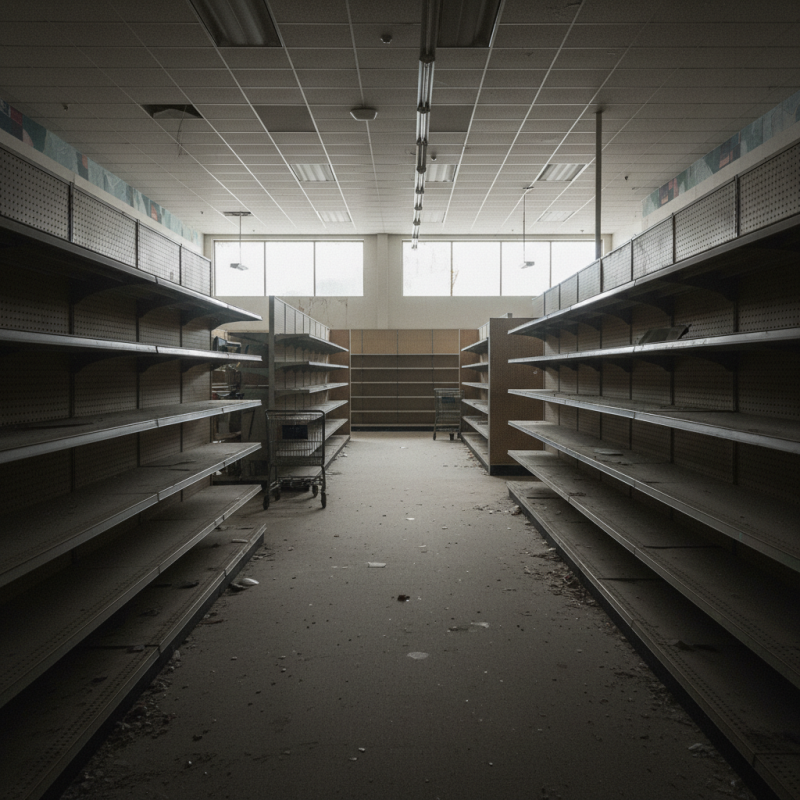
The Toys R Us brand has seen significant changes in recent years. Once a giant in the toy industry, it faced fierce competition from online retailers. The shift to e-commerce reshaped how consumers shop for toys. Stores that were once bustling with children became quiet. Some empty shelves whispered stories of the past.
Today, the brand is on a path to revival. New ownership aims to reintroduce the brand while learning from past mistakes. Strategic online partnerships are forming. This allows Toys R Us to thrive in a digital age. Returning to physical stores is still a question. Pop-up locations could be part of the plan.
Tip: Focus on improving online presence. Consumers expect seamless shopping experiences. Build strong relationships with customers via social media. Engagement can drive brand loyalty.
The future holds potential yet seems uncertain. The nostalgia around the brand remains strong. However, brands must adapt continuously. Evolving consumer preferences require flexibility. Revisiting classic elements may evoke fond memories. Refreshing the brand image can attract new generations.
Tip: Keep an ear to the ground. Monitor trends in play and education. Embrace sustainability where possible. Children today care about the planet.
: The product offers multiple functionalities. It is user-friendly and has an intuitive interface.
Restart the device if it malfunctions. Check the user manual for specific error codes.
Yes, a limited warranty is provided. Check the details for duration and coverage terms.
Returns are accepted within a specific timeframe. Ensure the product is unused and in original packaging.
Use a soft cloth for cleaning. Avoid harsh chemicals that can damage the surface.
Some older models may not work seamlessly. Check compatibility in advance.
Regular updates are available online. Follow instructions for safe installation.
Yes, customer support is reachable via email or phone. Response times may vary.
There is a password recovery option. Follow the prompts to reset your password.
User feedback is welcomed. Suggestions can be submitted through the official website.
Toys R Us, once a leading toy retailer, faced a series of challenges that ultimately led to its closure. One of the primary reasons why did Toys R Us close was its inability to compete with the rising dominance of e-commerce, which significantly impacted sales and forced the brand to rethink its strategy. As consumer preferences shifted towards online shopping, the company's traditional brick-and-mortar model fell short, leading to a decline in foot traffic and revenue.
In addition to the competitive pressure from online retailers, Toys R Us filed for bankruptcy, which brought about severe financial consequences. This bankruptcy marked a turning point, resulting in the closure of many stores and a drastic reduction in the company’s market presence. Currently, while the brand has made attempts to revitalize itself through new business strategies, its future remains uncertain as it seeks to navigate the complexities of a rapidly evolving retail landscape.

Cart Toys