The toy retail giant Toys R Us was a beloved destination for children and parents alike. But the question remains: when did Toys R Us close? The company's unfortunate demise marked the end of an era in the toy industry. In March 2018, Toys R Us announced the closure of its stores across the United States. This decision shocked many loyal customers and employees.
Following its closure, the brand faced challenges in maintaining its identity. Some attempts were made to revive the brand, with pop-up stores and online ventures. Yet, these efforts often fell short of expectations. The nostalgia associated with Toys R Us continues to linger, provoking reflections on what the brand represented. Many people remember the joy of exploring its aisles filled with colorful boxes and the excitement of birthday celebrations.
While the decline of Toys R Us was influenced by various factors, including changing shopping habits, it serves as a cautionary tale. The closure emphasizes the need for adaptability in a rapidly evolving market. Businesses, big or small, must learn from these lessons. The story of Toys R Us will endure, reminding us of the whimsy and wonder that toys bring to our lives.
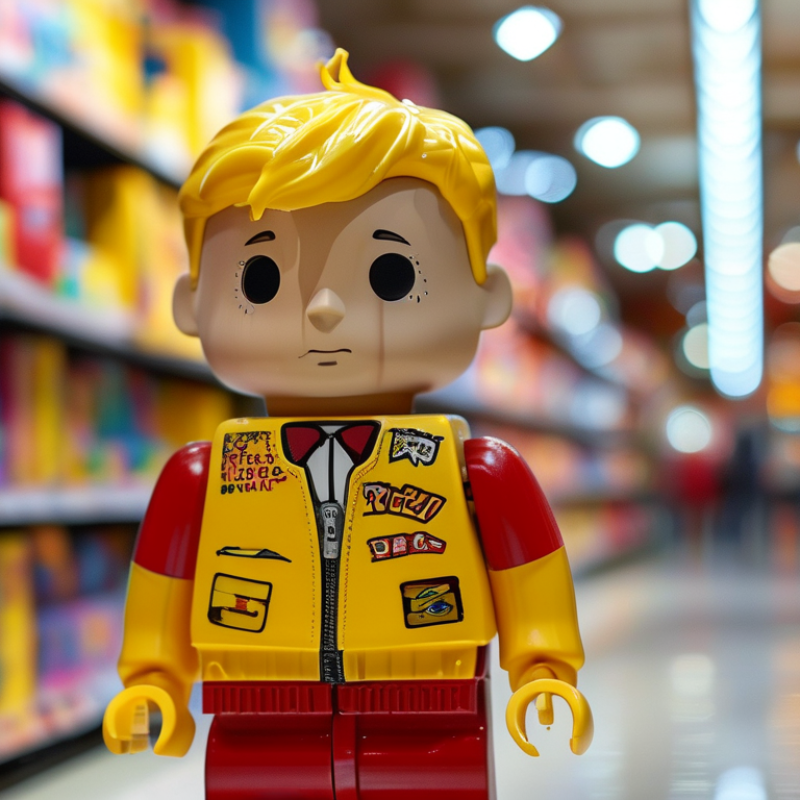
History of Toys R Us: From Founding to Closure
Toys R Us was established in 1948 and grew to be a giant in the toy retail industry. At its peak, the company operated over 800 stores in the United States. However, changing consumer habits and rising online shopping greatly affected its sales. A significant 2018 report indicated that e-commerce represented 15% of toy sales annually. This shift caught many traditional retailers off guard, including Toys R Us.
The iconic brand filed for bankruptcy in 2017, struggling with over $5 billion in debt. By early 2018, most of its U.S. stores had closed. Unfortunately, this was not just a financial loss but also a cultural one. Toys R Us was a beloved destination for many families. Industry experts lament the closure as it led to reduced competition in the toy market. Some parents express that without such stores, finding unique toys has become a challenge.
Despite the closures, the legacy of Toys R Us lives on in various ways. While some former employees shared their experiences, many wonder where the innovative spirit of the toy store has gone. The landscape of toy retailing continues to evolve. Yet, questions remain about how to adapt to the fast-changing market. The once vibrant aisles filled with toys now represent a cautionary tale for other retailers.
Timeline of Key Events Leading to the Closure of Toys R Us
Toys R Us, once a giant in the toy industry, faced a series of missteps leading to its closure. In 2017, the company filed for bankruptcy. Sales fell as competition from e-commerce grew. It lost market share to online retailers. A report highlighted that toy sales through e-commerce platforms surged by 20% in the same year. This shift changed the landscape significantly.
In 2018, Toys R Us announced it would close all stores. Around 33,000 employees were affected. The emotional impact on customers and staff was immense. Many families had lasting memories tied to the store. Despite its efforts, the brand struggled to adapt to changing consumer preferences. Traditional strategies failed to attract customers.
The closure marked the end of an era. A survey showed that 70% of parents wished to see the return of the beloved retailer. This reflects a gap in the market for traditional toy stores. The decline underscores the need for innovation. The toy industry must evolve to meet modern demands. Many lessons can be learned from this experience.
Reasons Behind the Bankruptcy of Toys R Us
Toys R Us was once a titan in the toy retail industry. However, several factors led to its downfall. High debt levels burdened the company after a leveraged buyout in 2005. A report from the National Retail Federation highlighted that retailers with excess debt struggle, particularly in downturns. This was evident when Toys R Us faced increased competition from e-commerce platforms.
Additionally, changing consumer preferences played a crucial role. Parents increasingly turned to online shopping for convenience. According to a 2018 survey, 43% of toy buyers purchased online, highlighting a shift that Toys R Us failed to adapt to. The company did not fully embrace e-commerce early enough, leaving it vulnerable.
Furthermore, the rise of big-box retailers offering toys at discounted prices chipped away at Toys R Us's market share. Analysts noted that the company's inability to innovate and refresh its product offerings made it less appealing to customers. The blend of debt, competition, and changing shopping habits created a perfect storm that Toys R Us could not weather. The consequences were dire, leading to the liquidation of its stores, leaving many nostalgic for its iconic status in the toy industry.
Toys R Us Bankruptcy Timeline
Impact of Toys R Us Closure on the Toy Retail Market
The closure of Toys R Us in 2018 significantly reshaped the toy retail market. Once a dominant player, its exit created a massive gap. According to industry reports, the North American toy market was valued at $24 billion in 2020. This decline is partly due to Toys R Us's absence, which had accounted for nearly 15% of total toy sales at its peak.
Many toy manufacturers faced challenges after the closure. Retailers had to adapt quickly. Smaller stores struggled to compete with online giants. E-commerce saw a remarkable rise. In 2020, online toy sales grew by 14%, showcasing a shift in consumer behavior. Shoppers prefer convenient online shopping. Yet, there is concern about over-reliance on digital sales. Not everyone has easy access to technology.
Shifts in consumer preferences were evident. Many families began seeking unique, niche products rather than mainstream brands. The market evolved to accommodate local shops and pop-ups. This change highlights the need for adaptability in retail. Meeting evolving consumer needs is essential. The future of toy retail continues to be uncertain. There are lessons to learn from the past. Improving local engagement may provide a path forward.
Current Status and Future of Toys R Us Brand After Closure
After the closure of a prominent toy retailer, the brand's future remains uncertain yet intriguing. The legacy of the toy giant now hinges on strategic pivots and innovative approaches. Once a leader in childhood nostalgia, the brand has attempted to reignite interest by exploring e-commerce options. The online marketplace is a crucial area for growth in today’s digital world.
It's essential to recognize that transitioning to an online platform presents numerous challenges. Building customer trust through quality service and engagement is vital. Many consumers seek experiences beyond simply buying toys. The brand could benefit from interactive events, virtual playdates, or collaborations with influencers to reconnect with families.
Tip: Focus on community building. Engaging with customers through social media could enhance loyalty. Consider partnerships with schools or child-focused organizations to create a sense of belonging.
Many past closures serve as reminders of the necessity for evolution in the retail sector. The toy industry is particularly vulnerable to shifts in consumer behavior. Reflecting on these failures can lead to better decision-making. Embracing adaptability and innovative thinking is key to surviving in a competitive landscape.
FAQS
: Several factors contributed, including high debt, competition from e-commerce, and failure to adapt to changing preferences.
Approximately 33,000 employees lost their jobs when the company closed its stores in 2018.
The closure created a significant gap, and the market saw a decline without Toys R Us's contributions.
Many families started to prefer niche products and online shopping for convenience, shifting the retail landscape.
Yes, the company didn't embrace e-commerce early enough, making it vulnerable to online competitors.
The need for innovation and adaptability to changing consumer demands is crucial for success in retail.
Many toy manufacturers faced challenges and needed to adapt quickly to the absence of a major retailer.
At its peak, Toys R Us accounted for nearly 15% of total toy sales in the North American market.
Yes, many consumers worry about access issues, as not everyone can easily use digital platforms.
Smaller stores have struggled and had to find unique products to compete with larger online retailers.
Conclusion
Toys R Us, once a giant in the toy retail industry, faced a significant decline leading to its closure in 2018. A detailed examination of its history shows a trajectory of innovation and success, eventually marred by a series of financial challenges. When did Toys R Us close? The impact of the bankruptcy stemmed from various factors, including competition from online retailers and mounting debt, which culminated in the eventual shuttering of stores.
The closure of Toys R Us not only marked the end of an era for many consumers but also reshaped the toy retail market landscape. Following its demise, traditional retailers were forced to adapt to a more competitive environment, while the brand itself has seen attempts at revival through new business models. Despite the challenges, there remains a possibility for the Toys R Us name to reemerge in the retail space, but it will require a strategic approach to resonate with today's shoppers.

 Cart Toys