In recent years, the toy industry has undergone significant transformations. Major retailers have faced challenges, and many have closed their doors. The question on many minds is, "is Toys R Us coming back?" Market research indicates the toy sector saw a decline of approximately 11% in 2022, according to the NPD Group. This decline has made consumers nostalgic for iconic brands.
The return of Toys R Us may not be just a dream. Insights from industry analysts suggest that the brand's unique legacy could attract families once more. A report by IBISWorld highlights that the toy market is expected to rebound, projecting a growth of over 5% annually through 2026. This raises hope that Toys R Us could capitalize on this renewed enthusiasm.
However, challenges remain. Consumer habits have shifted towards e-commerce. A significant portion of toy sales now occurs online, making it hard for brick-and-mortar stores to compete. Additionally, potential investors must ponder if the iconic brand can adapt and thrive in a rapidly changing market. The demand is here, but the execution needs careful consideration. Will Toys R Us rise again?
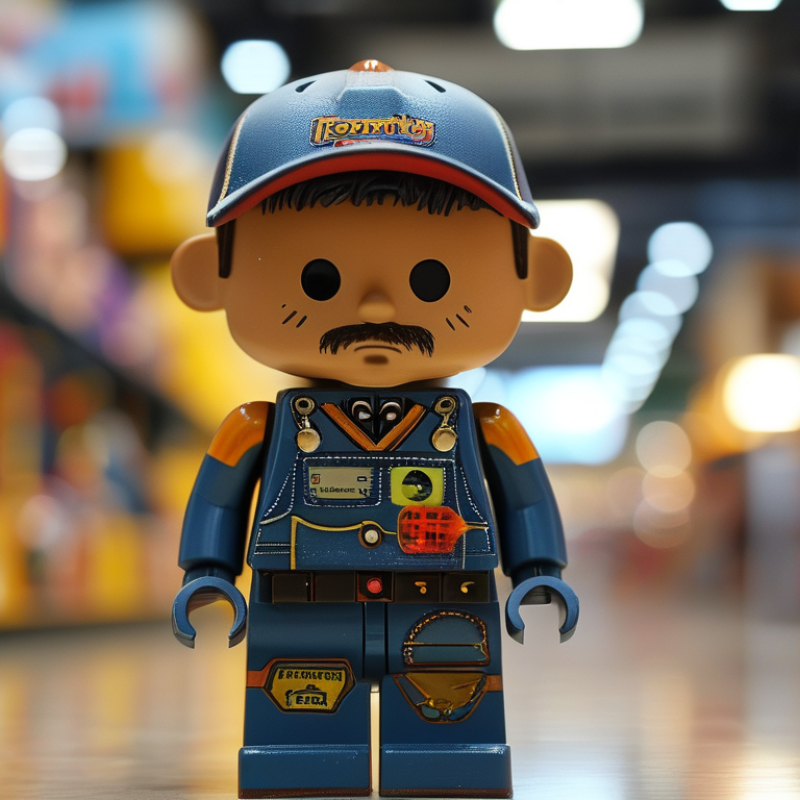
Toys R Us, once a giant in the toy industry, holds a rich history. Founded in 1948, it became synonymous with toy shopping. By the late 1980s, it had over 800 stores, catering to millions of children. However, the rise of online shopping and changing consumer preferences led to its decline. By 2017, Toys R Us had filed for bankruptcy, a significant moment for the retail world. The toy industry overall was valued at approximately $90 billion in 2021, showcasing the competition it faced.
Insights from the NPD Group reveal that traditional toy stores have struggled. Consumers are shifting towards e-commerce, seeking convenience and variety. Toys R Us did not adapt swiftly enough to these changes. A re-emergence would require innovative strategies to capture attention in a saturated market.
Tip: Focus on digital engagement to attract today’s tech-savvy youth. Building a strong online presence is key. Engaging in social media can bridge the gap with new generations.
Revisiting Toys R Us brings hope and skepticism. Reflecting on past mistakes is crucial. The importance of evolving with market trends cannot be overstated. Successful retailers today emphasize personalization and experience. Re-establishing brand loyalty will hinge on learning from past failures.
| Year | Event | Description |
|---|---|---|
| 1948 | Foundation | Established as a baby furniture store. |
| 1957 | First Toy Store | Transformed into a toy-focused retailer. |
| 2017 | Bankruptcy Filing | Filed for Chapter 11 bankruptcy in the U.S. |
| 2018 | Liquidation | Closed all locations and liquidated assets. |
| 2021 | Re-launch plans | Announced intentions to return as an online retailer. |
| 2026 | Expected Comeback | Speculation on a full comeback in retail locations. |
: The decline was due to the rise of online shopping and changing consumer preferences.
Toys R Us did not adapt quickly enough to the shift towards e-commerce.
The new stores will feature interactive play zones and an engaging environment for families.
Sustainability reflects a growing awareness of environmental issues among consumers.
Focusing on digital engagement and building a strong online presence is essential.
Workshops will showcase toys hands-on, promoting creativity and social interaction.
There is skepticism about whether these changes will capture today’s consumers' interests.
Learning from past failures is crucial for re-establishing brand loyalty and relevance.
Open layouts and interactive areas may redefine how families shop for toys.
Competing in a saturated market requires innovative strategies and adaptability.
The article titled "Is Toys R Us Coming Back in 2026: What You Need to Know?" explores the potential resurgence of the iconic toy retailer, which has a storied history marked by its rise and eventual bankruptcy. It delves into the underlying reasons for its initial closure, highlighting shifts in consumer behavior and competition in the retail landscape.
As plans for a revival in 2026 take shape, insights into the expected changes and innovations in the new Toys R Us stores are discussed, suggesting a modernized approach to capturing market interest. Consumer reactions and market expectations surrounding this anticipated comeback indicate a mix of nostalgia and excitement. Overall, the piece addresses the pressing question of whether "is Toys R Us coming back," providing a comprehensive overview of the factors at play in this potential revitalization.

 Cart Toys