What Happened to Toys R Us and Its Impact on Global Retail?

Time:2026-06-04 Author:Isabella
0%

The decline of Toys R Us has left many questioning, what happened to Toys R Us? Retail expert Richard Kestenbaum analyzed the situation, stating, "The story of Toys R Us is a cautionary tale for retailers today." Once a symbol of childhood joy, the brand struggled with changing consumer habits and fierce competition from online giants.

Toys R Us filed for bankruptcy in 2017, leading to the closure of hundreds of stores. The rapid shift towards e-commerce diminished its relevance. Many families fondly remember the bustling aisles filled with toys. Those memories highlight the emotional connection people had to the store.

The fallout from its demise is significant in the retail sector. Brands are now reassessing their strategies to meet evolving consumer needs. The question lingers: could Toys R Us have adapted in time? Reflecting on its journey reveals lessons in resilience and innovation. The retail landscape is shifting fast, and the fall of this giant serves as a reminder of the need for adaptability.
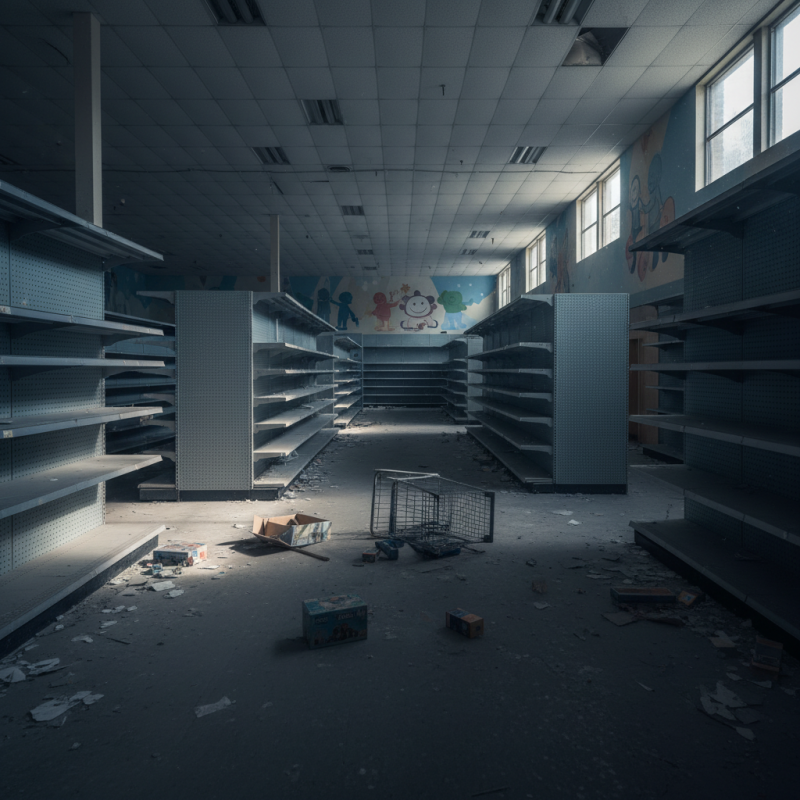
What Happened to Toys R Us and Its Impact on Global Retail?

The Rise of Toys R Us: A Brief History of Its Founding and Growth

Toys R Us emerged in 1948 as a humble baby furniture store. Over the decades, it transformed into a global giant in toy retailing. By the 1990s, it held a significant 20% market share in the toy industry. This success came from its innovative approach to in-store experiences. Large, colorful spaces filled with toys created excitement for families and children alike. Yet, this popularity masked underlying issues in adapting to changing market dynamics.

The company struggled with rising competition from online retailers and discount chains. A report from IBISWorld indicated that e-commerce for toys grew by 30% from 2016 to 2018 alone. Toys R Us did not invest significantly in e-commerce early enough. This reluctance contributed to its decline. In 2017, the company filed for bankruptcy, citing over $5 billion in debt. The toy industry's landscape shifted dramatically, forcing retailers to reconsider their strategies and customer engagement.

Many analysts view the Toys R Us story as a cautionary tale. The rise and fall illustrate the risks of neglecting digital transformation. Companies must understand changing consumer behaviors. Today’s shoppers expect seamless experiences, whether online or in-store. Toys R Us left behind a mixed legacy, highlighting the importance of innovation and adaptability in retail.

Factors Leading to the Decline of Toys R Us in the Retail Market

The decline of a prominent toy retailer reveals critical lessons for the retail industry. Several factors contributed to its downfall. Changing consumer preferences shifted from in-store shopping to online experiences. Many families now find convenience in browsing and buying toys from home. This shift left traditional retailers struggling to adapt.

In addition, the rise of competitors offering more than just toys made a significant impact. Online marketplaces expanded beyond toys, providing diverse options. Many shoppers are drawn to these all-in-one platforms. Consequently, foot traffic dwindled in physical stores. The inability to innovate within the brick-and-mortar model left many questioning the future of traditional retail.

Management decisions also played a role. A failure to invest in store experience led to uninspired shopping environments. Customers seek engaging experiences, and boring layouts fall short. Additionally, high levels of debt restricted financial flexibility. This made it tougher to compete with nimble startups. Reflecting on these factors offers valuable insights for today’s retail landscape.

Factors Leading to the Decline in Retail Market

The Bankruptcy of Toys R Us: Causes and Consequences

The bankruptcy of a once-prominent toy retailer sent shockwaves through the global retail landscape. In 2017, the company filed for chapter 11, staggering under $5 billion in debt. This marked a critical moment. The toy market had already been shifting, with a significant 20% decline in sales for traditional retailers between 2016 and 2018. E-commerce growth, accounting for nearly 15% of the toy market, played a vital role in changing consumer shopping habits.

The impact of this failure transcends numbers. It highlighted vulnerabilities within the retail sector, particularly for brick-and-mortar stores. A report by IBISWorld noted that toy stores in the U.S. faced a reduction in annual revenue, dropping from $4 billion in 2015 to approximately $3 billion in 2018. The challenges of maintaining physical locations amid rising operational costs and competition from online platforms led many to rethink their strategies.

Lessons learned from this bankruptcy also resonate with other sectors. Companies must embrace adaptability, especially during economic fluctuations. Retailers now recognize the importance of an omnichannel approach. Some brands reported a 30% increase in sales when integrating online and offline channels. The decline of this retailer emphasizes the need for innovation and agility in an ever-evolving market. Failure to evolve can lead to a significant downturn, affecting not just the brand but also the entire retail ecosystem.

Impact of Toys R Us Closure on Global Retail Trends and Practices

The closure of Toys R Us marked a pivotal moment in global retail. As a once-dominant player, its downfall reflected shifting consumer preferences. According to a report from eMarketer, online retail sales accounted for 21.3% of total sales in 2022, up from just 10% a decade prior. The toys sector, specifically, saw significant growth in e-commerce, with online sales reaching $16 billion.

Retailers have been forced to adapt in response. Many are investing in robust online platforms and enhancing in-store experiences. A significant 70% of customers now favor retailers that combine both online and physical shopping. This trend has led to a surge in the click-and-collect model, which was up 30% in 2023. However, not every retailer has successfully navigated these changes, highlighting the need for agility.

Tips: Consider integrating technology to improve customer experiences. Personalized recommendations can elevate online sales significantly. Also, analyzing purchasing patterns can help tailor marketing strategies effectively. Adaptation is key in this evolving landscape. Embrace flexibility to meet changing consumer needs.

Lessons Learned from Toys R Us for Future Retailers and E-commerce Strategies

Toys R Us was once a leader in the toy retailing sector. When it closed, retailers scrutinized its demise. The downfall highlighted the importance of adaptability in an evolving market. Retailers must embrace digital transformations. According to a report by McKinsey, 75% of consumers shifted to online shopping during the pandemic. E-commerce strategies should prioritize user experience.

Tips: Focus on creating engaging online content. Use videos to showcase products dynamically.

The loss of a major retailer serves as a warning. It underscores the risks of outdated business models. Companies should invest in technology that connects with customers. Data from eMarketer shows that global e-commerce sales are projected to hit $6.3 trillion by 2024. Retailers should analyze trends and adjust strategies frequently.

Tips: Leverage consumer data for personalized marketing. Regularly assess market trends to stay relevant.

FAQS

: What led to the decline of a major toy retailer?

: Several factors contributed, including changing consumer preferences towards online shopping.

How have consumer habits changed in recent years?

Many families prefer browsing and buying toys from home rather than visiting physical stores.

What impact did competitors have on the retailer?

Competitors provided diverse options, attracting shoppers to all-in-one platforms and reducing foot traffic.

Why did the stores struggle to attract customers?

The failure to innovate and create engaging shopping experiences left customers uninspired.

What role did management decisions play in the decline?

Poor investment in store experience and high debt levels restricted financial flexibility and competitiveness.

What is a critical lesson for future retailers?

Retailers must adapt to changing market dynamics and embrace digital transformations.

How significant is e-commerce in today's market?

E-commerce sales are projected to reach $6.3 trillion globally by 2024, highlighting its importance.

What should retailers focus on for online strategies?

Creating engaging content and using videos can showcase products effectively to customers.

How can companies stay relevant in retail?

Regularly assessing market trends and leveraging consumer data can help maintain relevance.

What should firms consider regarding their business models?

Outdated business models pose risks, requiring companies to invest in technology that connects with customers.

Conclusion

The article explores what happened to Toys R Us, detailing its rise as a dominant player in the toy retail market and the subsequent factors that led to its decline. Economic pressures, increased competition from e-commerce, and mismanagement are highlighted as key contributors to its downfall. The filing for bankruptcy marked a significant moment, forcing the industry to reckon with the shifting landscape of retail.

The closure of Toys R Us has had profound implications for global retail trends, emphasizing the necessity for traditional retailers to adapt to digital competition. The lessons learned from this case serve as a warning for future retailers, underscoring the importance of innovation and customer engagement in a rapidly evolving market. The story of Toys R Us reflects broader changes in consumer behavior and the retail environment, making it a pivotal study for understanding modern commerce.

Isabella

Isabella

Isabella is a dedicated marketing professional with a sharp focus on driving brand growth and engagement through strategic content creation. With an extensive background in digital marketing, she combines her passion for storytelling with her keen understanding of industry trends to deliver......