Why Don’t Toy With Me, Miss Nagatoro characters remain popular because they combine recognizable emotions with sharp visual identities. Nagatoro’s teasing expression, Senpai’s nervous reactions, and the supporting cast’s contrasting personalities create memorable emotional signals. Viewers can understand the tension within seconds. That clarity matters in crowded digital entertainment markets.
The Association of Japanese Animations reported that Japan’s anime industry reached approximately 2.93 trillion yen in 2022, including strong overseas demand. Its report also showed that international markets represented nearly half of the total value. These figures suggest that anime characters now travel far beyond their original broadcast environment. Meanwhile, Netflix’s engagement reporting has repeatedly identified anime as an important category for global viewing. Such evidence supports the idea that accessible character relationships can build international attention. However, popularity cannot be explained by market size alone.
The appeal of don't toy with me miss nagatoro characters also depends on audience experience. A viewer may recognize awkward silence, playful provocation, or the relief of finding confidence through friendship. Short clips, reaction images, and fan discussions make those moments easy to share. The character designs also remain readable on a phone screen, where facial expressions become instant social content. That detail is easy to overlook. It should not be treated as proof of universal appeal, either. Some audiences may find the teasing dynamic uncomfortable or repetitive. A credible analysis must acknowledge that limitation while examining the series’ timing, humor, character development, adaptation quality, and sustained fan engagement. Popularity is not one cause. It is a pattern formed through many small emotional encounters.
Series Overview and Character Design
Why Don’t Toy With Me, Miss Nagatoro Characters Are Popular?
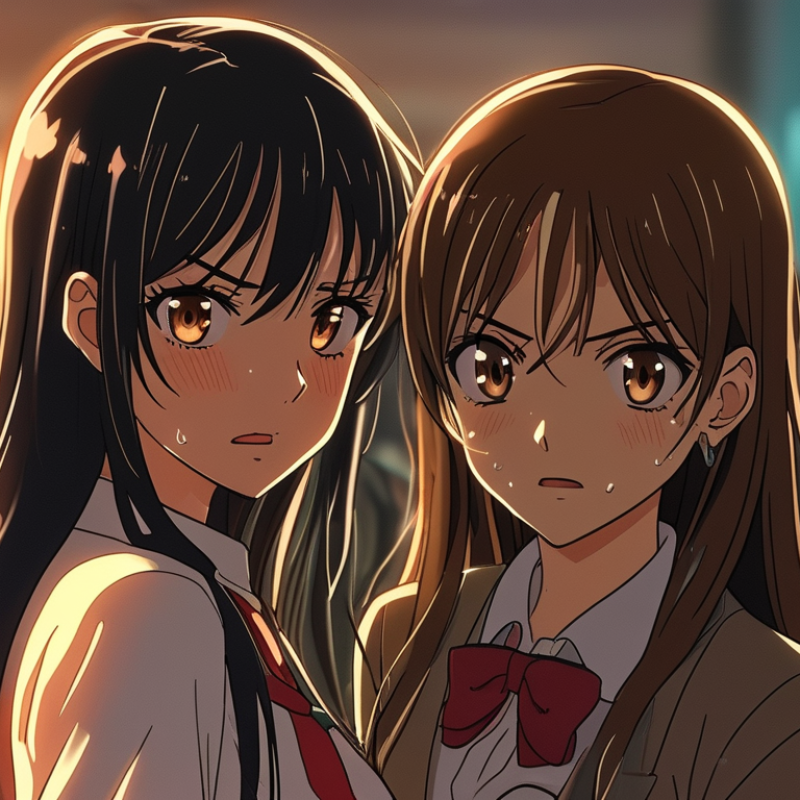
Why Don’t Toy With Me, Miss Nagatoro presents a simple school comedy with unusually readable character design. Nagatoro’s sharp eyes, athletic posture, and changing facial expressions show confidence before she speaks. Her teasing can look playful, awkward, or genuinely hurtful within seconds. Senpai contrasts her through softer lines, muted clothing, and nervous gestures. This visual difference makes their relationship easy to understand. Small details matter, especially blushing, lowered shoulders, and unfinished drawings.
The Association of Japanese Animations reported that the anime market reached about 3.35 trillion yen in 2023. Its overseas market also exceeded 1.7 trillion yen. A larger audience creates stronger demand for characters with immediate emotional appeal. A 2024 global anime audience study found that roughly three in ten consumers watch anime weekly. These figures do not prove one character’s popularity, but they show a crowded market. Nagatoro stands out because her silhouette, expressions, and personality work together quickly.
Her popularity also comes from gradual emotional movement. She begins as an intimidating provocateur, yet later scenes reveal loyalty, embarrassment, and uncertainty. That change gives viewers something to interpret. The supporting characters add rhythm, color, and social pressure without needing long explanations. The formula is not flawless. Some teasing feels repetitive, and the emotional balance can seem uneven. Still, those imperfections make the relationship feel less polished and more recognizable. A raised eyebrow. A half-finished sketch. A pause that lasts too long.
Nagatoro’s Personality and Emotional Appeal
Nagatoro’s popularity comes from her vivid personality, not only her teasing behavior. She enters scenes with loud confidence, quick expressions, and restless energy. Her jokes can feel sharp, yet small gestures reveal concern. A shared drawing, a quiet pause, or a nervous glance may expose more emotion than her words. This contrast keeps her unpredictable.
Her emotional appeal grows through gradual vulnerability. She often hides embarrassment behind laughter and playful provocation. The quieter character beside her also changes, becoming more confident through repeated interactions. Their relationship feels engaging because neither person stays exactly the same. From a reader’s perspective, this development creates anticipation without needing dramatic speeches. Still, some teasing scenes may feel uncomfortable. The story does not always balance humor and sensitivity perfectly, and that weakness deserves honest discussion.
Tips: Notice the moments between jokes. Watch her posture, facial reactions, and sudden changes in tone. These details often explain her feelings better than dialogue. It also helps to read her behavior as a mixture of confidence, insecurity, and curiosity. Avoid treating every action as harmless fun. Personal boundaries matter, even in fictional relationships. Nagatoro can be entertaining and emotionally layered, but she is not flawless. That imperfection makes her easier to discuss, and perhaps more memorable.
The Senpai’s Role in Character Development
The popularity of this teasing school comedy rests heavily on the Senpai’s role in character development. He begins as a quiet artist, often frozen beside his sketchbook. The younger heroine’s teasing creates pressure, but his responses slowly become more confident. He learns to set limits, accept criticism, and show care without becoming perfect. That imperfection feels familiar. Many viewers recognize awkward progress more easily than instant heroism.
Dentsu’s 2024 Anime Culture Study reported that about three in ten global consumers watch anime weekly. Deloitte’s 2024 Digital Media Trends also found that younger audiences value relatable characters and social connection when choosing entertainment. These findings help explain the Senpai’s appeal: his growth gives emotional movement to every joke. He is not simply a target. He becomes an active participant. Still, some scenes can confuse teasing with healthy communication. That weakness deserves reflection.
Tips: Track the Senpai’s small choices, not only dramatic moments. Notice his posture, drawing habits, and changing replies. Compare early hesitation with later initiative. Writers can use this pattern to build believable development: introduce discomfort, show repeated practice, then allow modest change. Keep emotional boundaries visible. A character may be shy without remaining passive.
Why Are Don't Toy with Me, Miss Nagatoro Characters Popular?
This story-based index rates the five central development themes from 1 to 5, based on how the series depicts Senpai’s influence on Nagatoro and their friends. Senpai’s steady encouragement is especially connected with creative growth, emotional openness, and stronger social confidence.
Supporting Characters and Group Dynamics
Supporting characters make the series feel socially alive, not merely centered on one teasing relationship. Nagatoro’s friends bring different pressures into every scene. One pushes her toward mischief, another notices emotional changes, and another quietly challenges the group’s confidence. Their personalities are easy to distinguish through gestures, timing, and speech. A raised eyebrow can shift the entire mood.
The group dynamic works because affection and embarrassment often share the same space. Friends tease Nagatoro, but they also protect her when a joke becomes too sharp. The central boy receives similar treatment, although his quieter reactions create a useful contrast. He may lower his eyes, grip a pencil, or answer several seconds late. Small details make his growth believable. The comedy feels less mechanical when each character wants something different.
That balance requires careful writing. Supporting characters should not exist only to deliver jokes or explain the plot. Here, they sometimes reveal feelings that the main pair cannot express. Their interruptions expose jealousy, uncertainty, and genuine concern. I find this especially effective in group scenes, where silence can be as meaningful as dialogue. Not every reaction lands perfectly. Some teasing feels repetitive, and a few emotional shifts seem too sudden. That weakness matters, though. It invites readers to question how friendship, performance, and vulnerability operate in teenage groups. The characters remain popular because their relationships keep changing in visible, imperfect ways.
Why the Characters Resonate With Audiences
Characters in this school-comedy series resonate because their emotions feel awkward, visible, and familiar. Fans see teasing, hesitation, embarrassment, and gradual trust in small daily moments. A 2024 international anime audience study reported that about three in ten global consumers watch anime weekly. Among younger viewers, the figure reached roughly one in two. That reach suggests emotional access matters as much as visual style.
The characters also invite active interpretation. Viewers debate whether a joke shows affection, insecurity, or poor judgment. That uncertainty creates conversation beyond each episode. A 2024 digital media trends report found that about half of younger audiences consider social content more relevant than traditional television and films. These characters fit that environment because short scenes become shareable reactions, clips, and personal stories. Still, popularity does not prove every relationship is healthy. Some scenes may feel uncomfortable or uneven. That flaw deserves discussion, not automatic praise.
Tips: Focus on specific behaviors, not just attractive designs. Notice pauses, facial expressions, and changes in tone. Compare fan reactions across different age groups. Be careful with survey data; viewers who respond online may not represent everyone. The characters connect strongly, but my reading may overlook audiences who dislike exaggerated teasing.
Why Don't Toy with Me, Miss Nagatoro Characters Are Popular?
Why the Characters Resonate With Audiences
| Character |
Story Role |
Defining Character Traits |
Relationship Function |
Audience Resonance |
Resonance Level |
| Hayase Nagatoro |
Central heroine |
Playful, confident, competitive, emotionally expressive, and gradually more considerate. |
Challenges Senpai while slowly revealing genuine affection and emotional vulnerability. |
Her teasing exterior contrasts with a softer inner side, creating humor, tension, and character growth. |
Very high |
| Naoto Hachiouji (Senpai) |
Main protagonist |
Shy, artistic, anxious in social situations, thoughtful, and increasingly self-assured. |
Acts as Nagatoro's emotional counterbalance and responds to her challenges through gradual personal growth. |
His awkwardness is relatable, while his development gives the story an accessible coming-of-age perspective. |
Very high |
| Maki Gamou |
Friend and rival |
Blunt, energetic, mischievous, competitive, and highly observant. |
Encourages Nagatoro's teasing and turns the central relationship into a lively social game. |
Her direct humor and rivalry add momentum while making the friend group feel active and believable. |
High |
| Yoshi |
Supporting friend |
Enthusiastic, loyal, impressionable, and eager to participate in group activities. |
Strengthens Gamou's comic energy and amplifies the playful pressure placed on Senpai. |
Her exaggerated reactions provide visual comedy and make group scenes more dynamic. |
Moderate to high |
| Sakura |
Supporting friend |
Friendly, socially confident, flirtatious, and more strategically mischievous than she first appears. |
Broadens the cast's romantic and comedic possibilities beyond Nagatoro and Senpai. |
She adds variety to the social environment and creates humorous misunderstandings without replacing the central pairing. |
Moderate to high |
| The President |
Senior mentor and rival |
Disciplined, confident, provocative, artistically accomplished, and demanding. |
Pushes Senpai to confront his limitations and raises the artistic stakes of the narrative. |
Her strong presence introduces a credible challenge while highlighting Senpai's progress as an artist. |
High |
| Orihara |
Athletic rival |
Focused, disciplined, competitive, and physically accomplished. |
Represents a direct challenge to Nagatoro and reveals Nagatoro's determination outside her relationship with Senpai. |
Her rivalry gives Nagatoro independent goals and demonstrates that the heroine is more than a teasing romantic character. |
Moderate |
The resonance levels summarize the characters' narrative visibility, emotional importance, and contribution to comedy or character development; they are qualitative storytelling assessments rather than survey percentages.
FAQS
Her loud confidence hides embarrassment, insecurity, and curiosity. Small gestures matter. A nervous glance may reveal more than her jokes.
Teasing shows her restless energy and playful confidence. However, some scenes feel uncomfortable. Humor does not always respect emotional boundaries.
Watch her posture, facial expressions, pauses, and sudden tone changes. Laughter may cover embarrassment. Silence can also speak.
Repeated interactions gradually make him more confident. He may answer faster, hold his pencil firmly, or meet her eyes.
They make the social world feel active and varied. One encourages mischief, while another notices emotional changes.
Friends mix affection with embarrassment. A raised eyebrow, delayed answer, or sudden interruption can change the entire mood.
Not always. Some teasing becomes repetitive, and certain emotional changes seem too sudden. That weakness deserves honest discussion.
Their relationships keep changing visibly. Confidence, friendship, jealousy, and vulnerability overlap. The development feels imperfect, but not empty.
Conclusion
The popularity of don't toy with me miss nagatoro characters comes from the series’ balance of playful conflict, emotional growth, and memorable visual design. Each character has distinct expressions, habits, and personal motivations, making the cast easy to recognize and enjoyable to follow. Nagatoro’s teasing personality initially creates tension, but her confidence, curiosity, and occasional vulnerability reveal a more thoughtful side. This contrast gives her emotional appeal and keeps her relationship with Senpai engaging.
Senpai plays an important role in the characters’ development because his quiet nature gradually changes through encouragement, challenges, and shared experiences. As he becomes more confident, Nagatoro also shows greater care and sincerity. The supporting characters add energy through their different personalities and group dynamics, creating humorous and heartfelt situations. Ultimately, these characters resonate with audiences because their relationships reflect familiar feelings such as embarrassment, friendship, self-improvement, and the desire to be understood.

 Cart Toys