Why is it important to make sex toys safely? These products may touch sensitive skin, mucous membranes, and bodily fluids. Poorly selected materials can cause irritation, allergic reactions, or unpleasant odors. Weak construction can also create sharp edges, cracks, or broken parts. Safety is not a decorative feature. It is the foundation of responsible sexual wellness.
Understanding how to make sex toyes safely begins with material knowledge, careful design, and controlled manufacturing. Reputable producers should choose body-safe, non-porous materials and avoid harmful additives, unclear coatings, and misleading claims. Each surface should feel smooth, with no seams that trap residue. Batteries, charging ports, and motors need protection from moisture. Products should undergo durability, electrical, chemical, and skin-contact testing before sale. Expert advice from dermatologists, engineers, and sexual-health educators can strengthen these decisions. Clear instructions should explain cleaning, storage, charging, and warning signs. Honest labeling matters.
Mistakes matter.
A manufacturer may test one successful sample and overlook inconsistent production. That weakness deserves reflection. Reliable quality control checks every batch, not only the first prototype. Independent testing can reveal problems that internal teams miss. Traceable records also support recalls when necessary. Consumers deserve evidence, not vague promises. Safe packaging should protect the product without hiding essential information. Responsible companies should welcome questions and correct errors publicly. In the end, safe production protects comfort, trust, and long-term health. It also shows that intimate products deserve the same professional care as other consumer goods.
Why Materials Matter: ISO 10993 Biocompatibility and REACH Chemical Controls
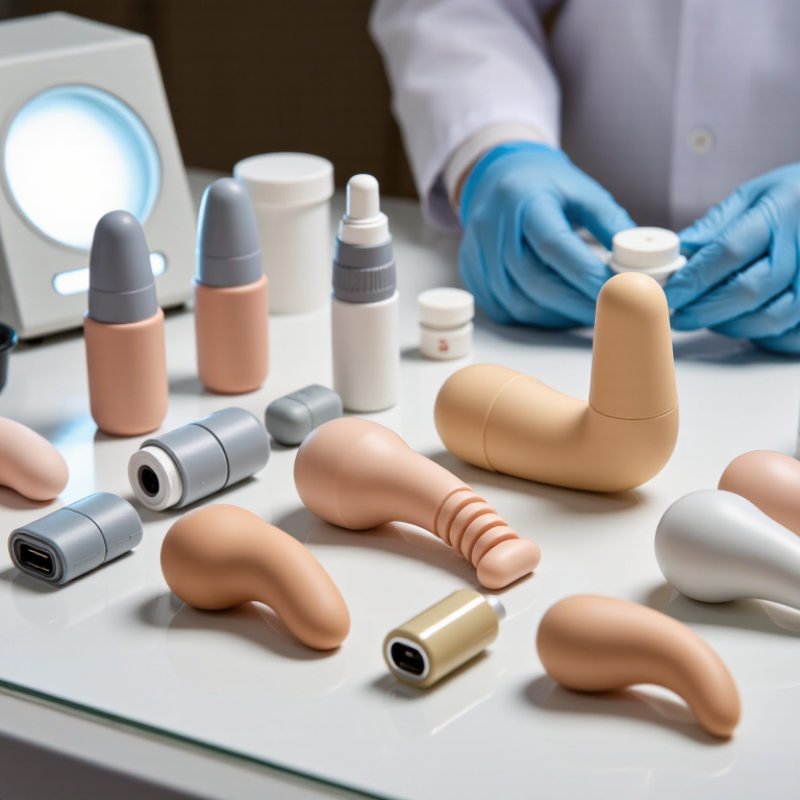
Making sex toys safely begins with materials, not packaging or attractive design. The body may contact surfaces for minutes or hours. Heat, friction, moisture, and tiny scratches can change that contact. A material that feels smooth is not automatically biocompatible. ISO 10993 offers a structured way to assess biological risks, including irritation, sensitization, and cytotoxicity. The relevant tests depend on how the finished product is used. That detail matters. A raw-material certificate alone may not describe the assembled toy, coating, adhesive, or colorant. Responsible manufacturers should review every contact layer and keep traceable test records.
REACH adds chemical control to this safety picture. It addresses restricted substances and chemicals of concern within the supply chain. Testing can help identify unwanted plasticizers, heavy metals, solvents, or residues. Yet laboratory results are only as reliable as the sample and method. A supplier may test one batch, while production changes another. This is where careful quality work becomes visible: documented formulations, controlled suppliers, batch checks, and clear instructions for cleaning and storage. Small details count. Independent review can challenge optimistic assumptions. I would not treat “non-toxic” as sufficient evidence; it is too vague to guide a purchasing decision. ISO 10993 and REACH do not create a perfect shield. They support better questions, stronger records, and safer material choices. Some uncertainty remains, and honest manufacturers should say where it does.
How WHO’s Estimate of 1 Million Daily STIs Shapes Toy Hygiene Standards
Why Is It Important to Make Sex Toys Safely?
The World Health Organization reports that more than one million curable sexually transmitted infections are acquired every day worldwide. Its 2024 fact sheet also recorded about 374 million new infections in 2020 involving chlamydia, gonorrhoea, syphilis, and trichomoniasis. This figure changes how toy hygiene should be understood. A product may look clean while carrying bacteria or viruses in seams, scratches, or porous surfaces. Small details matter.
International Standard ISO 3533:2021 recommends addressing materials, design, and user safety for products intended for genital or anal contact. Safer manufacturing therefore includes smooth surfaces, secure construction, clear cleaning instructions, and materials evaluated for skin contact. Testing should also consider chemical migration, breakage, and moisture trapped inside joints. These are not decorative concerns.
Cleaning remains essential. Use the method stated for the material, and avoid harsh chemicals that can damage its surface. Wash hands before and after handling. Do not share a toy without a suitable barrier, especially between body areas. A condom or other barrier must be changed when switching use. No cleaning routine is flawless. Warm water may remove visible residue, but it does not guarantee infection control. WHO data reminds manufacturers and users that hygiene standards must be practical, repeatable, and honest about their limits.
Which Design Tests Prevent Breakage, Burns, Electrical Shock, and Contamination
Why Is It Important to Make Sex Toys Safely?
Safe design begins with testing how a product behaves during realistic use. Engineers apply repeated bending, twisting, squeezing, and drop tests to handles, seams, buttons, and attachments. These tests reveal cracks that may not appear during a quick visual inspection. A toy should also withstand cleaning cycles without swelling, peeling, or becoming sticky. Small surface damage can trap moisture and microorganisms. That detail is easy to overlook.
Heat testing checks whether motors, chargers, or batteries create uncomfortable temperature rises. Testers measure warm spots after extended operation, not only after one short cycle. Electrical safety testing examines insulation, charging contacts, leakage current, and resistance to moisture. A controlled water-ingress test can expose weak seals around charging ports and joins. The product should shut down safely when abnormal conditions occur. Failure must be visible and measurable.
Material testing matters just as much. Laboratories can check for skin-contact suitability, odor changes, color transfer, and reactions with approved cleaners or lubricants. Microbial contamination tests evaluate whether cleaning instructions are realistic. Instructions that require perfect behavior are not reliable instructions. No test is perfect. I would question any report that lists only successful results, because repeated testing often uncovers uncomfortable weaknesses. Clear records, calibrated equipment, independent review, and traceable corrective actions make safety claims more credible. A small crack deserves attention.
How FDA, CPSC, and EU Rules Track Recalls, Chemicals, and Injury Reports
Why Is It Important to Make Sex Toys Safely?
Safe manufacturing protects more than comfort. It reduces risks from sharp edges, overheating, battery failures, and harmful chemical exposure. Responsible makers should test materials, control production batches, and keep clear supplier records. Traceability matters when a product needs correction or recall. A missing batch code can turn a small warning into a difficult investigation.
Regulators provide different forms of oversight. In the United States, the CPSC monitors consumer-product hazards, injury reports, and recalls. The FDA may receive reports when a product is promoted for medical purposes or falls within its regulated scope. These systems do not mean every product receives premarket approval. That detail is often misunderstood. In the European Union, safety authorities can publish alerts through Safety Gate, while chemical rules such as REACH restrict certain hazardous substances. National authorities may also investigate injuries, labeling problems, or unsafe designs. Reports are valuable, but they may be incomplete, delayed, or influenced by underreporting.
Tips: Check recall databases before buying or using a product. Read material and cleaning instructions carefully. Stop using items with cracks, unusual smells, heat, or swelling. Keep packaging and batch information. Report an injury through the relevant official channel. Personal experience can reveal a problem, but it should not replace professional medical advice. Manufacturers should review complaints honestly, even when the evidence feels inconvenient or uncertain.
What CDC STI Data Show About Cleaning, Sharing, and Barrier Protection
Why Is It Important to Make Sex Toys Safely?
The CDC’s 2022 STI Surveillance Report recorded over 2.5 million reported cases of chlamydia, gonorrhea, and syphilis in the United States. These figures do not measure sex-toy transmission directly. They still show why shared sexual equipment deserves careful hygiene and protection. The CDC advises cleaning sex toys after use and using condoms or other barriers when sharing them.
Cleaning should match the toy’s material and instructions. Wash removable parts with mild soap and warm water when permitted. Dry them completely before storage. People often clean the toy but forget their hands. That small gap matters. Do not share a toy between body areas without cleaning it or changing its barrier. A condom placed over the toy can reduce contact with bodily fluids, although it cannot remove every risk.
The World Health Organization estimates over one million curable sexually transmitted infections are acquired worldwide each day. That estimate covers infections generally, not sex toys specifically. Still, it supports a cautious approach. Check for cracks, rough edges, or damaged surfaces, since these can irritate skin and complicate cleaning. Barrier protection should be replaced between partners and between different body areas. No routine is flawless. Clear instructions, honest communication, and regular STI testing make safer choices more realistic.
Why Is It Important to Make Sex Toys Safely? - What CDC STI Data Show About Cleaning, Sharing, and Barrier Protection
| Data dimension |
Verified finding or recommendation |
Why it matters for sex toys |
Source |
| Reported chlamydia cases in the United States, 2022 |
1,649,716 reported cases |
Chlamydia can be transmitted through sexual contact. Shared toys that are not cleaned or covered may transfer infected fluids between people or body sites. |
CDC STI Surveillance, 2022 |
| Reported gonorrhea cases in the United States, 2022 |
648,056 reported cases |
Gonorrhea may affect the genitals, rectum, or throat. A toy used on different body areas should be cleaned between uses or covered with a new barrier. |
CDC STI Surveillance, 2022 |
| Reported syphilis cases in the United States, 2022 |
207,255 reported cases across all stages |
Syphilis spreads through direct contact with infectious sores or lesions. A barrier can reduce contact, but it does not eliminate risk from uncovered skin. |
CDC STI Surveillance, 2022 |
| Combined reported cases of chlamydia, gonorrhea, and syphilis, 2022 |
2,505,027 reported cases |
The national burden of reportable STIs supports using multiple prevention steps, including testing, barrier protection, and safer handling of shared sexual devices. |
CDC STI Surveillance, 2022 |
| Cleaning before reuse |
Follow the device manufacturer’s cleaning instructions and clean a toy between users and between different body sites. |
Cleaning helps remove bodily fluids and microorganisms that may remain on a device. Damage, porous materials, or inadequate cleaning can make complete decontamination difficult. |
NHS: Sex toys and STIs |
| Sharing a sex toy |
Do not share a toy without cleaning it first; use a new condom or other suitable barrier when moving the toy between people or body sites. |
A barrier provides a replaceable layer that can reduce transfer of sexual fluids and direct contact with contaminated surfaces. |
NHS: Sex toys and STIs |
| Barrier protection |
External condoms, internal condoms, and dental dams can reduce STI exposure when used correctly and consistently. |
A new barrier should be used for each sexual act and changed when switching between partners or body sites. Barriers do not fully protect skin-to-skin areas they do not cover. |
CDC: About Condom Use |
| Testing and symptoms |
Many STIs can have no symptoms. Testing is the only way to know infection status. |
A clean-looking toy or symptom-free partner does not prove that there is no infection. Regular testing and communication are important parts of safer sex. |
CDC: About STIs |
| Evidence limitation |
CDC national STI surveillance counts reported infections; it does not measure the number of infections caused specifically by sex-toy sharing. |
The surveillance figures show the scale of STI transmission nationally, while cleaning, sharing, and barrier practices are risk-reduction measures rather than guarantees of zero risk. |
CDC: STI Surveillance and Statistics |
Note: Reported case counts reflect diagnosed and reported infections and may not represent every infection in the population. Prevention guidance should be adapted to the toy material, cleaning instructions, body site, and individual health circumstances.
Conclusion
Making intimate products safely requires more than attractive design or reliable performance. This article explains how to make sex toyes with materials that are body-safe, chemically controlled, and tested for biocompatibility under frameworks such as ISO 10993 and REACH. It also examines design checks that can reduce the risks of breakage, overheating, electrical shock, sharp edges, and contamination. Careful manufacturing should include consistent quality inspections, secure construction, clear use instructions, and traceable production records.
The article also connects product safety with public-health concerns. With millions of sexually transmitted infections occurring daily worldwide, hygiene standards are essential, especially when products are shared. Proper cleaning, suitable barriers, and avoiding use when damaged can help reduce transmission risks. Finally, it discusses how regulatory systems monitor chemical concerns, injury reports, and recalls, showing why responsible manufacturers must respond quickly to safety findings and continuously improve testing, labeling, and consumer guidance.

 Cart Toys