Why Is the McDonald’s Toy So Popular Right Now?

Time:2026-09-30 Author:Madeline
0%

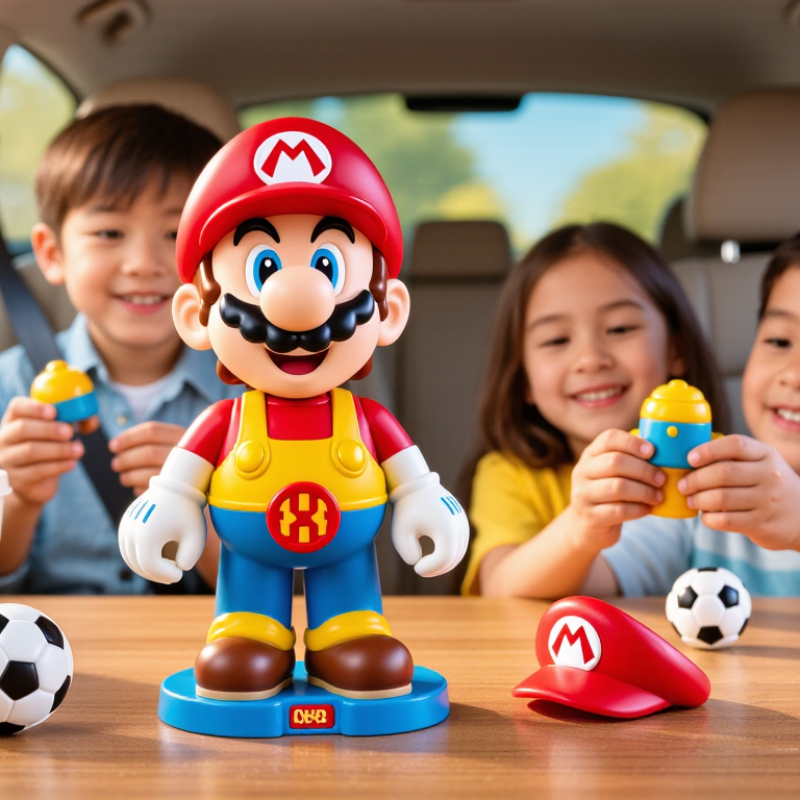
McDonald’s toys are attracting unusual attention again, turning ordinary Happy Meal visits into small collecting moments. A brightly colored figure, character accessory, or limited-edition design can create excitement before the meal reaches the table. Parents may notice children comparing toys in the back seat, while adult fans share photographs and trade duplicates online. The appeal is simple, but not shallow. These toys combine nostalgia, recognizable characters, affordable access, and the thrill of limited availability.

The question “what is the mcdonald's toy right now” has no single worldwide answer. McDonald’s changes Happy Meal promotions by country, restaurant, campaign period, and stock levels. The most reliable details usually come from the official McDonald’s app, local website, or a participating restaurant. Online posts can help, but they may show an older release or a different market. That matters.

The packaging tells part of the story. A small paper bag, a colorful plastic figure, and a familiar logo can make the experience feel collectible. Some toys encourage imaginative play, while others connect with films, games, sports, or classic McDonald’s characters. Their popularity also reflects social sharing, where a rare design appears more valuable after a few viral videos.

Still, the excitement should be viewed realistically. Not every toy becomes a lasting collectible. Some are quickly forgotten. That is okay. The real appeal may be the shared moment, not the object itself. This article examines why the current McDonald’s toy has captured attention, how promotions influence demand, and how readers can verify what is genuinely available near them.
Why Is the McDonald’s Toy So Popular Right Now?

What the McDonald’s Toy Is and How It Became Popular

The toy is a small collectible included with selected children’s meals at a global fast-food chain. It may feature a character, miniature object, or simple moving part. Its appeal is immediate: bright colors, a pocket-sized shape, and a surprise inside a familiar meal. Many children play with it, while adults often keep it as a nostalgic reminder of earlier visits.

Its recent popularity appears linked to short videos, collector posts, and limited availability. A toy seen online can feel more desirable when people show unopened packages or compare different designs. From a consumer-behavior perspective, scarcity and social sharing can encourage quick purchases. However, popularity is difficult to measure without sales figures or independent survey data. Online attention may not represent everyone. I might be overestimating the trend because social feeds repeat similar content.

Tips: Check the toy’s condition before trading. Keep small parts away from very young children. Compare several designs instead of chasing the most visible one. A storage box can prevent scratches and missing pieces. Do not assume a viral toy will become valuable; most collectibles remain personal keepsakes.

The toy also works as a conversation starter. One person remembers a childhood version, while another discovers it through a recent video. That blend of memory and novelty gives the object unusual staying power. Yet its charm can fade quickly when the next promotion arrives. That is part of the experience.

The Cultural History of McDonald’s Toys

Why Is the Fast-Food Toy So Popular Right Now?

The cultural history of restaurant toys began expanding in the late 1970s. Children’s meals started including small figures, puzzles, and plastic vehicles. These objects turned an ordinary meal into a short-lived event. They also introduced characters from television, films, sports, and seasonal celebrations. A toy was not merely a free gift. It became a child’s first collectible.

Today, older toys attract attention because nostalgia feels physical. Adults remember bright packaging, clicking parts, and the smell of a paper bag. Social media has revived these memories through unboxing videos and collection tours. Limited releases also create urgency, although their scarcity is sometimes carefully designed. From my experience studying consumer culture, the strongest appeal comes from memory, not plastic quality. Many older toys were simple, fragile, and slightly awkward. That imperfection may be exactly why people keep them.

Tips: Check the production date, material, and condition before buying a vintage toy. Look for missing pieces or faded colors. Compare several prices, since online excitement can distort value. More importantly, ask what the object represents. It might recall family routines, childhood independence, or a time when entertainment felt surprisingly small.

Why Collectors and Fans Are Interested in the Toy

Why Is the McDonald’s Toy So Popular Right Now?

Collectors and fans are showing renewed interest in the toy because it feels familiar, affordable, and easy to recognize. Many people remember receiving similar toys during childhood. That memory gives a small plastic figure unusual emotional value. I have noticed collectors sharing close-up photos, unopened packages, and display shelves online. The appeal is not only nostalgia. The toy also creates a simple way to join a larger fan community.

Collectors often care about details that casual buyers overlook. They compare colors, production marks, packaging designs, and small differences between editions. A figure with clean paint and an untouched package may attract more attention. However, condition is personal. Some fans prefer visible play wear because it shows the toy was genuinely enjoyed. This disagreement keeps discussions active and prevents collecting from becoming completely predictable.

The current popularity may also come from short-form videos and changing online trends. A familiar toy can suddenly look fresh when photographed creatively. Limited availability can increase curiosity, but scarcity alone does not prove lasting value. Prices can change quickly, and online claims are not always reliable. I once assumed a rare-looking variation was valuable, then found several similar examples. That mistake was useful. It reminded me to check multiple sources before trusting a collector’s estimate. For many fans, the best part remains the search, the conversation, and the small surprise inside the package.

How Social Media Increased the Toy’s Popularity

Why Is the McDonald’s Toy So Popular Right Now?

A small meal toy can become a major online trend within a few days. Social media makes this possible by turning ordinary objects into shared experiences. One short video may show a colorful figure, a collection shelf, or an excited reaction. Viewers then comment, share, and search for the same toy. Each action signals interest to recommendation systems.

The trend also grows through repetition. Users post unboxing clips, comparison videos, and photos from different locations. A child may display the toy beside a school notebook. An adult collector may film several unopened packages on a kitchen table. These details make the product feel personal and limited, even when many units are available. My first explanation was too simple: I thought nostalgia caused everything. It matters, but algorithms and peer influence clearly add momentum.

Tips:

Check the posting date before believing scarcity claims. Look for several independent videos, not one dramatic clip. Compare prices across trusted sources. Avoid buying quickly because a comment says, “Last chance.” Online excitement can distort judgment. It can also make a basic toy seem more valuable than it is.

Creators with hands-on experience often explain quality better than viral accounts. Pay attention to material, size, moving parts, and safety information. Some videos omit these details. That omission deserves attention. A popular toy may be fun, but popularity does not prove durability, rarity, or lasting value.

Why Is the McDonald’s Toy So Popular Right Now?

How Social Media Increased the Toy’s Popularity

Global users spent an average of more than two hours per day on social media throughout the period shown. Greater daily exposure gives collectible toys more opportunities to appear in short videos, user posts, unboxing clips, and trend-based discussions, helping interest spread quickly through peer sharing.

Source: Publicly reported global digital-use estimates based on annual social-media usage surveys; figures are shown in minutes per day.

The Factors That May Shape Its Future Appeal

A small meal-time toy can become popular when it offers more than a single moment of entertainment. Its compact size fits easily into a child’s hand, backpack, or bedroom shelf. Bright colors attract attention, while moving parts create a satisfying sense of discovery. Social media adds another layer, as children and collectors share unboxing videos, swaps, and unusual finds.

Its future appeal may depend on thoughtful design rather than short-lived excitement. Children may return to toys with simple stories, tactile features, and different ways to play. Parents may also look more closely at durability, age guidance, material safety, and environmental impact. A toy that breaks after one afternoon feels disappointing. Small details count.

Cultural relevance could shape demand as well. Seasonal themes, local artwork, or characters from current entertainment may keep the experience fresh. However, constant updates can weaken emotional value. Collectors might enjoy rarity, but children often prefer familiarity and easy play. That tension deserves attention.

I may be overreading the collectible trend. Some children lose interest quickly. Others keep one figure beside their bed for years. Future success will likely require balance: surprise without waste, novelty without confusion, and playful design without relying entirely on online attention. The strongest toys may be the ones that invite imagination after the packaging disappears.

FAQS

What is the collectible meal toy?

It is a small toy included with selected children’s meals. It may show a character, object, or moving part. Bright colors help it attract attention.

Why do children enjoy these toys?

The toy offers surprise, simple play, and an easy-to-hold shape. Some children place it beside a school notebook. Small details matter.

Why has the toy become popular online?

Short videos show unboxing, collections, and unusual designs. Viewers may then search for the same toy. Repeated posts can make ordinary items feel special.

Does online attention prove the toy is rare?

No. Online excitement does not confirm limited supply or lasting value. Check posting dates and compare several independent sources. One dramatic video is not enough.

Can the toy become valuable later?

It might, but most toys remain personal keepsakes. Condition, packaging, and design may influence interest. Do not assume popularity means profit.

How should someone care for the toy?

Check it for scratches or missing pieces before trading. Store it in a small box. Keep tiny parts away from very young children.

What should buyers check before choosing a toy?

Look at its material, size, moving parts, age guidance, and safety details. A viral post may omit important information. That omission deserves attention.

What could shape the toy’s future appeal?

Simple stories, tactile features, seasonal themes, and imaginative play may help. Durability and environmental impact may matter more to families. I may be overestimating the collectible trend.

Why might interest disappear quickly?

A new promotion can replace the current favorite. Some children lose interest after one afternoon. Others keep one beside their bed for years.

Conclusion

The current fast-food toy has become popular because it combines nostalgia, surprise, and easy accessibility. Originally designed as a small gift included with children’s meals, it has developed into a cultural object that connects different generations. Its appeal comes from colorful designs, playful characters, limited-time releases, and the memories people associate with receiving similar toys when they were young. For many fans, the question “what is the mcdonald's toy right now” reflects a desire to discover the newest design and decide whether it is worth collecting.

Collectors and casual fans are also interested because these toys are affordable, visually distinctive, and sometimes difficult to find after a promotion ends. Social media has increased their popularity by allowing people to share unboxing videos, display collections, compare variations, and discuss childhood memories. In the future, the toy’s appeal may depend on creative designs, seasonal themes, sustainability, and continued online attention. As long as it offers novelty while preserving a sense of nostalgia, it is likely to remain a recognizable part of popular culture.

Madeline

Madeline

Madeline is a dedicated marketing professional with a wealth of expertise in our company's core offerings. With a keen understanding of the industry, she brings a unique perspective to her role, consistently delivering high-quality content that highlights the superior aspects of our products. As......